Fences
Stream


Rent & Buy


In 1950s Pittsburgh, a frustrated African-American father struggles with the constraints of poverty, racism, and his own inner demons as he tries to raise a family.
What critics thought
Fences earned broad critical approval on the strength of Denzel Washington and Viola Davis's performances, with many reviewers treating the film as essential viewing for those two performances alone. The central debate is whether Washington's direction successfully translates August Wilson's stage drama into a genuinely cinematic experience, or whether the film remains trapped in an awkward middle ground — too theatrical for film, not concentrated enough for theater.
“few playwrights have approached his genius for turning workaday vernacular into poetry”
A. O. Scott·The New York Times
“When the camera is on her no one will be wanting to look elsewhere. Davis' delivery of Fences' signature speech about her own hopes and dreams is flat-out extraordinary.”
Kenneth Turan·Los Angeles Times
“You don't get groundbreaking cinema from Fences, but what you do get – two titanic performances and an immeasurable American drama – makes up for that.”
Ty Burr·The Boston Globe
“The movie is pitched in an unfortunate place. It's not cinematic enough to make you forget you're watching something conceived for another, more spatially constricted medium, but it's too cinematic to capture the intensity, the concentration, of a great theatrical event.”
David Edelstein·New York Magazine
Accolades
Genres
Drama
Cast & Crew
 Denzel WashingtonDirectorDenzel WashingtonTroy Maxson
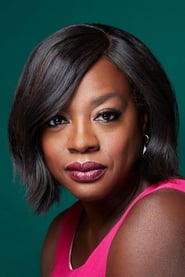 Viola DavisRose Maxson
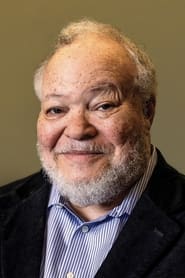 Stephen McKinley HendersonJim Bono
 Jovan AdepoCory Maxson
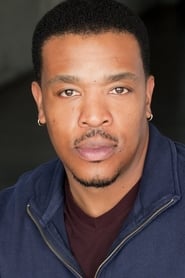 Russell HornsbyLyons Maxson
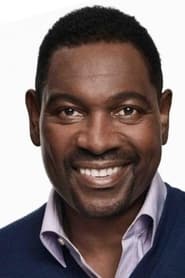 Mykelti WilliamsonGabriel Maxson
 Saniyya SidneyRaynell Maxson
 Lesley BooneEvangelist Preacher
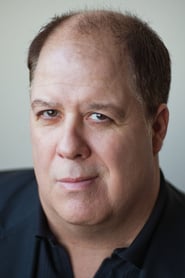 Christopher MeleDeputy Commissioner
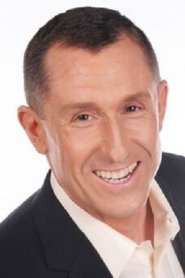 Joe FishelParade Marcher
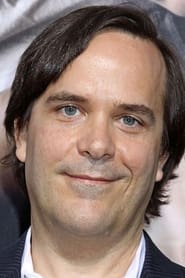 Marcelo ZarvosComposer
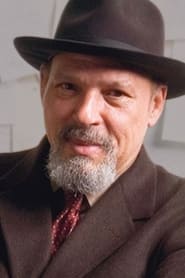 August WilsonWriter
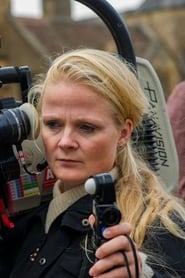 Charlotte Bruus ChristensenCinematography
Fences
In 1950s Pittsburgh, a frustrated African-American father struggles with the constraints of poverty, racism, and his own inner demons as he tries to raise a family.
What critics thought
Fences earned broad critical approval on the strength of Denzel Washington and Viola Davis's performances, with many reviewers treating the film as essential viewing for those two performances alone. The central debate is whether Washington's direction successfully translates August Wilson's stage drama into a genuinely cinematic experience, or whether the film remains trapped in an awkward middle ground — too theatrical for film, not concentrated enough for theater.
“few playwrights have approached his genius for turning workaday vernacular into poetry”
A. O. Scott·The New York Times
“When the camera is on her no one will be wanting to look elsewhere. Davis' delivery of Fences' signature speech about her own hopes and dreams is flat-out extraordinary.”
Kenneth Turan·Los Angeles Times
“You don't get groundbreaking cinema from Fences, but what you do get – two titanic performances and an immeasurable American drama – makes up for that.”
Ty Burr·The Boston Globe
“The movie is pitched in an unfortunate place. It's not cinematic enough to make you forget you're watching something conceived for another, more spatially constricted medium, but it's too cinematic to capture the intensity, the concentration, of a great theatrical event.”
David Edelstein·New York Magazine
Accolades
Genres
Drama
Cast & Crew
Denzel WashingtonDirectorDenzel WashingtonTroy MaxsonViola DavisRose MaxsonStephen McKinley HendersonJim BonoJovan AdepoCory MaxsonRussell HornsbyLyons MaxsonMykelti WilliamsonGabriel MaxsonSaniyya SidneyRaynell MaxsonLesley BooneEvangelist PreacherChristopher MeleDeputy CommissionerJoe FishelParade MarcherMarcelo ZarvosComposerAugust WilsonWriterCharlotte Bruus ChristensenCinematographyStream
Rent & Buy