Twin Peaks: Fire Walk with Me
Stream


Rent & Buy


In the questionable town of Deer Meadow, Washington, FBI Agent Desmond inexplicably disappears while hunting for the man who murdered a teen girl. The killer is never apprehended, and, after experiencing dark visions and supernatural encounters, Agent Dale Cooper chillingly predicts that the culprit will claim another life. Meanwhile, in the more cozy town of Twin Peaks, hedonistic beauty Laura Palmer hangs with lowlifes and seems destined for a grisly fate.
What critics thought
DivisiveAt release, Fire Walk with Me was savaged by American critics and booed at Cannes, with the central complaint being that it failed both fans seeking closure on the series' cliffhangers and newcomers who needed the TV show as a prerequisite. A minority of defenders — mostly British critics and a handful of American dissenters — argued the film's unsparing portrait of Laura Palmer's suffering was precisely what made it valuable, and that hostility to it said as much about audiences as about Lynch. Decades on, popular reassessment has been kinder than the contemporary critical record, creating a notable gap between what reviewers wrote in 1992 and how the film is now regarded.
“perversely moving, profoundly self-indulgent prequel”
Rita Kempley·The Washington Post
“people are ultimately appalled not by [the film's] badness but its integrity”
Steve Erickson·LA Weekly
“induce[d] a state of simulated brain death”
Vincent Canby·The New York Times
Accolades
Parents guide
- Violence
- severe
- Sex
- severe
- Profanity
- moderate
- Substances
- severe
- Intensity
- severe
Genres
Drama, Horror, Mystery
Cast & Crew
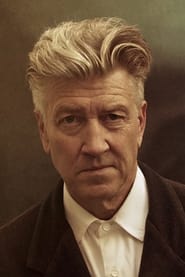 David LynchDirector
 Sheryl LeeLaura Palmer
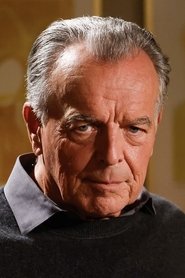 Ray WiseLeland Palmer
 Mädchen AmickShelly Johnson
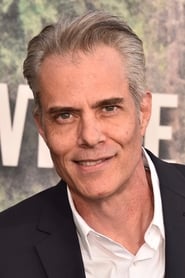 Dana AshbrookBobby Briggs
 Phoebe AugustineRonette Pulaski
 David BowiePhillip Jeffries
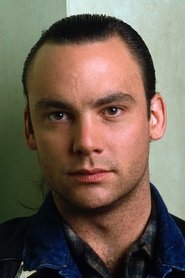 Eric DaReLeo Johnson
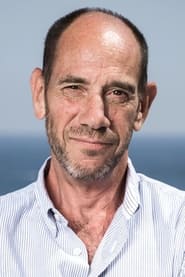 Miguel FerrerAlbert Rosenfield
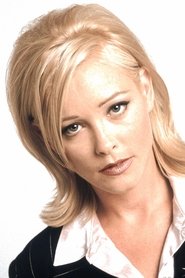 Pamela GidleyTeresa Banks
 Heather GrahamAnnie Blackburn
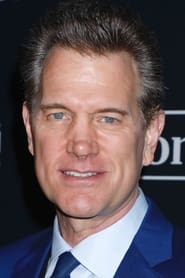 Chris IsaakSpecial Agent Chester Desmond
 Moira KellyDonna Hayward
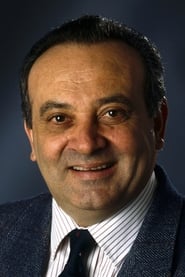 Angelo BadalamentiComposer
 Robert EngelsWriter
 Ronald Víctor GarcíaCinematography
Twin Peaks: Fire Walk with Me
In the questionable town of Deer Meadow, Washington, FBI Agent Desmond inexplicably disappears while hunting for the man who murdered a teen girl. The killer is never apprehended, and, after experiencing dark visions and supernatural encounters, Agent Dale Cooper chillingly predicts that the culprit will claim another life. Meanwhile, in the more cozy town of Twin Peaks, hedonistic beauty Laura Palmer hangs with lowlifes and seems destined for a grisly fate.
What critics thought
DivisiveAt release, Fire Walk with Me was savaged by American critics and booed at Cannes, with the central complaint being that it failed both fans seeking closure on the series' cliffhangers and newcomers who needed the TV show as a prerequisite. A minority of defenders — mostly British critics and a handful of American dissenters — argued the film's unsparing portrait of Laura Palmer's suffering was precisely what made it valuable, and that hostility to it said as much about audiences as about Lynch. Decades on, popular reassessment has been kinder than the contemporary critical record, creating a notable gap between what reviewers wrote in 1992 and how the film is now regarded.
“perversely moving, profoundly self-indulgent prequel”
Rita Kempley·The Washington Post
“people are ultimately appalled not by [the film's] badness but its integrity”
Steve Erickson·LA Weekly
“induce[d] a state of simulated brain death”
Vincent Canby·The New York Times
Accolades
Parents guide
- Violence
- severe
- Sex
- severe
- Profanity
- moderate
- Substances
- severe
- Intensity
- severe
Genres
Drama, Horror, Mystery
Cast & Crew
David LynchDirectorSheryl LeeLaura PalmerRay WiseLeland PalmerMädchen AmickShelly JohnsonDana AshbrookBobby BriggsPhoebe AugustineRonette PulaskiDavid BowiePhillip JeffriesEric DaReLeo JohnsonMiguel FerrerAlbert RosenfieldPamela GidleyTeresa BanksHeather GrahamAnnie BlackburnChris IsaakSpecial Agent Chester DesmondMoira KellyDonna HaywardAngelo BadalamentiComposerRobert EngelsWriterRonald Víctor GarcíaCinematographyStream
Rent & Buy