The Perks of Being a Wallflower
Stream

Rent & Buy


Pittsburgh, Pennsylvania, 1991. High school freshman Charlie is a wallflower, always watching life from the sidelines, until two senior students, Sam and her stepbrother Patrick, become his mentors, helping him discover the joys of friendship, music and love.
What critics thought
The film earns real warmth from its three leads, and Roger Ebert spoke for many in finding it an emotionally honest portrait of adolescence — but critics were split on whether that honesty goes deep enough. The gap between popular affection and critical reservation centers on the film's tendency to sand down the rougher edges of teenage life, making the whole thing feel safer and more idealized than the source material's darkness demands.
“All of my previous selves still survive somewhere inside of me, and my previous adolescent would have loved The Perks of Being a Wallflower”
Roger Ebert·Chicago Sun-Times
“the script is transparently fake at almost every moment, congratulating the gang on their non-conformity while soft-pedalling any aspect of adolescent behaviour—drug use, sex, profanity—that might upset the American mainstream.”
Jack Wilson·The Age
“the suicide of Charlie's best friend, which takes place before the film opens, seems glossed over too quickly”
Connie Ogle·The Miami Herald
Genres
Drama
Cast & Crew
 Stephen ChboskyDirector
 Logan LermanCharlie
 Emma WatsonSam
 Ezra MillerPatrick
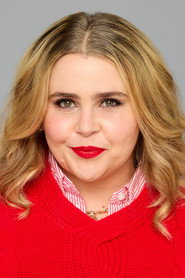 Mae WhitmanMary Elizabeth
 Kate WalshMother
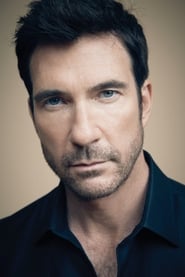 Dylan McDermottFather
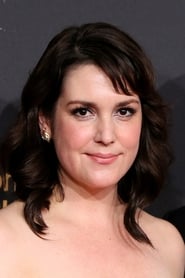 Melanie LynskeyAunt Helen
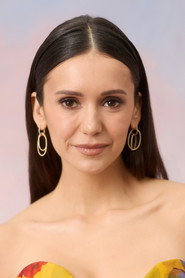 Nina DobrevCandace
 Johnny SimmonsBrad
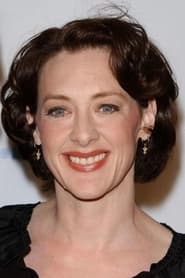 Joan CusackDr. Burton
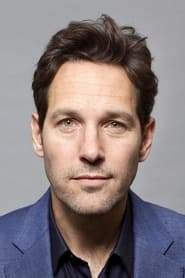 Paul RuddMr. Anderson
 Nicholas BraunPonytail Derek
 Michael BrookComposer
 Andrew DunnCinematography
The Perks of Being a Wallflower
Pittsburgh, Pennsylvania, 1991. High school freshman Charlie is a wallflower, always watching life from the sidelines, until two senior students, Sam and her stepbrother Patrick, become his mentors, helping him discover the joys of friendship, music and love.
What critics thought
The film earns real warmth from its three leads, and Roger Ebert spoke for many in finding it an emotionally honest portrait of adolescence — but critics were split on whether that honesty goes deep enough. The gap between popular affection and critical reservation centers on the film's tendency to sand down the rougher edges of teenage life, making the whole thing feel safer and more idealized than the source material's darkness demands.
“All of my previous selves still survive somewhere inside of me, and my previous adolescent would have loved The Perks of Being a Wallflower”
Roger Ebert·Chicago Sun-Times
“the script is transparently fake at almost every moment, congratulating the gang on their non-conformity while soft-pedalling any aspect of adolescent behaviour—drug use, sex, profanity—that might upset the American mainstream.”
Jack Wilson·The Age
“the suicide of Charlie's best friend, which takes place before the film opens, seems glossed over too quickly”
Connie Ogle·The Miami Herald
Genres
Drama
Cast & Crew
Stephen ChboskyDirectorLogan LermanCharlieEmma WatsonSamEzra MillerPatrickMae WhitmanMary ElizabethKate WalshMotherDylan McDermottFatherMelanie LynskeyAunt HelenNina DobrevCandaceJohnny SimmonsBradJoan CusackDr. BurtonPaul RuddMr. AndersonNicholas BraunPonytail DerekMichael BrookComposerAndrew DunnCinematographyStream
Rent & Buy