The Help
Stream

Rent & Buy


Aibileen Clark is a middle-aged African-American maid who has spent her life raising white children and has recently lost her only son; Minny Jackson is an African-American maid who has often offended her employers despite her family's struggles with money and her desperate need for jobs; and Eugenia "Skeeter" Phelan is a young white woman who has recently moved back home after graduating college to find out her childhood maid has mysteriously disappeared. These three stories intertwine to explain how life in Jackson, Mississippi revolves around "the help"; yet they are always kept at a certain distance because of racial lines.
What critics thought
The Help lands as crowd-pleasing, old-fashioned melodrama that audiences embraced far more warmly than critics did. Viola Davis is the near-universal point of agreement — even detractors concede her performance elevates the material — while Octavia Spencer drew frequent praise for scene-stealing comic energy. The sharper dispute is whether the film softens and distorts its civil-rights setting to the point of dishonesty: Black women historians formally objected that it strips domestic workers' lives of historical accuracy, and several critics accused it of flattening history into feel-good Hollywood tropes, including the white-savior narrative.
“The Help belongs to Viola Davis.”
David Edelstein·New York
“With powerful performances given by Viola Davis and scene stealer Octavia Spencer, the film is an emotionally moving drama that remains highly entertaining.”
Wilson Morales·Blackfilm.com
“We get a fairly typical Hollywood flattening of history, with powerful villains and disenfranchised heroes.”
Karina Longworth·The Village Voice
“Some adaptations find a fresh, cinematic way to convey a book's spirit but The Help doesn't.”
Chris Hewitt·St. Paul Pioneer Press
“The Association of Black Women Historians finds it unacceptable for either this book or this film to strip black women's lives of historical accuracy for the sake of entertainment.”
Association of Black Women Historians
Accolades
Genres
Drama
Cast & Crew
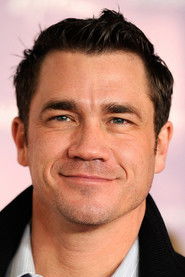 Tate TaylorDirector
 Emma StoneSkeeter Phelan
 Viola DavisAibileen Clark
 Bryce Dallas HowardHilly Holbrook
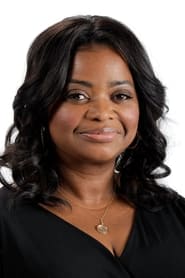 Octavia SpencerMinny Jackson
 Jessica ChastainCelia Foote
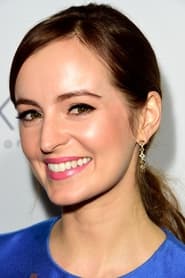 Ahna O'ReillyElizabeth Leefolt
 Allison JanneyCharlotte Phelan
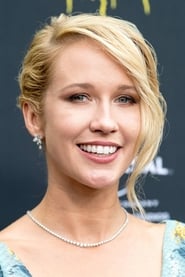 Anna CampJolene French
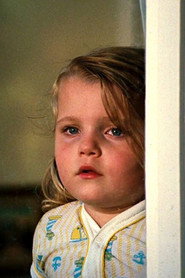 Eleanor HenryMae Mobley
 Chris LowellStuart Whitworth
 Cicely TysonConstantine Jefferson
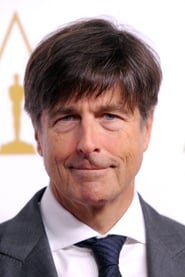 Thomas NewmanComposer
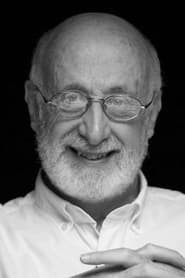 Stephen GoldblattCinematography
The Help
Aibileen Clark is a middle-aged African-American maid who has spent her life raising white children and has recently lost her only son; Minny Jackson is an African-American maid who has often offended her employers despite her family's struggles with money and her desperate need for jobs; and Eugenia "Skeeter" Phelan is a young white woman who has recently moved back home after graduating college to find out her childhood maid has mysteriously disappeared. These three stories intertwine to explain how life in Jackson, Mississippi revolves around "the help"; yet they are always kept at a certain distance because of racial lines.
What critics thought
The Help lands as crowd-pleasing, old-fashioned melodrama that audiences embraced far more warmly than critics did. Viola Davis is the near-universal point of agreement — even detractors concede her performance elevates the material — while Octavia Spencer drew frequent praise for scene-stealing comic energy. The sharper dispute is whether the film softens and distorts its civil-rights setting to the point of dishonesty: Black women historians formally objected that it strips domestic workers' lives of historical accuracy, and several critics accused it of flattening history into feel-good Hollywood tropes, including the white-savior narrative.
“The Help belongs to Viola Davis.”
David Edelstein·New York
“With powerful performances given by Viola Davis and scene stealer Octavia Spencer, the film is an emotionally moving drama that remains highly entertaining.”
Wilson Morales·Blackfilm.com
“We get a fairly typical Hollywood flattening of history, with powerful villains and disenfranchised heroes.”
Karina Longworth·The Village Voice
“Some adaptations find a fresh, cinematic way to convey a book's spirit but The Help doesn't.”
Chris Hewitt·St. Paul Pioneer Press
“The Association of Black Women Historians finds it unacceptable for either this book or this film to strip black women's lives of historical accuracy for the sake of entertainment.”
Association of Black Women Historians
Accolades
Genres
Drama
Cast & Crew
Tate TaylorDirectorEmma StoneSkeeter PhelanViola DavisAibileen ClarkBryce Dallas HowardHilly HolbrookOctavia SpencerMinny JacksonJessica ChastainCelia FooteAhna O'ReillyElizabeth LeefoltAllison JanneyCharlotte PhelanAnna CampJolene FrenchEleanor HenryMae MobleyChris LowellStuart WhitworthCicely TysonConstantine JeffersonThomas NewmanComposerStephen GoldblattCinematographyStream
Rent & Buy