The Hunchback of Notre Dame
Stream

Rent & Buy


Isolated in the bell tower of Notre Dame, Quasimodo longs to experience the world beyond the cathedral walls, despite the wishes of his stern guardian, the Judge of Paris Claude Frollo. His first venture into the city leads him to Esmeralda, a fearless Romani woman whose defiance of Frollo's tyranny draws her—and Quasimodo—into his dangerous obsession.
What critics thought
Disney's darkest animated feature of its era landed mostly well with critics, who admired its visual ambition, imposing choral score, and willingness to tackle themes of lust, prejudice, and outcasts — territory unusual for a studio children's film. The main fault line ran between those who felt the darkness was handled with genuine emotional weight and those, like Janet Maslin at the Times, who argued the feel-good reframing of Hugo's tragedy was a structural problem no amount of craft could paper over. French audiences, watching it amid a real immigration crisis, found it unexpectedly resonant in ways American critics hadn't anticipated.
“the best Disney animated feature since Beauty and the Beast – a whirling, uplifting, thrilling story with a heart touching message that emerges from the comedy and song”
Roger Ebert·Chicago Sun-Times
“the best of Disney's 'serious' animated features in the multiplex era, (...) an emotionally rounded fairy tale that balances darkness and sentimentality, pathos and triumph, with uncanny grace”
Owen Gleiberman·Entertainment Weekly
“the result is a grand cartoon cathedral, teeming with gargoyles and treachery, hopeless love and tortured lust”
Richard Corliss·Time
“In a film that bears conspicuous, eager resemblances to other recent Disney hits, the filmmakers' Herculean work is overshadowed by a Sisyphean problem. There's just no way to delight children with a feel-good version of this story.”
Janet Maslin·The New York Times
“a surprisingly emotional, simplified version of the Victor Hugo novel”
Gene Siskel·Chicago Tribune
Accolades
Genres
Animation, Drama, Family
Cast & Crew
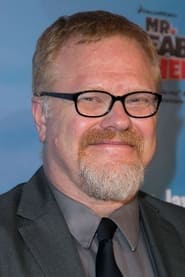 Gary TrousdaleDirector
 Kirk WiseDirector
 Tom HulceQuasimodo (voice)
 Demi MooreEsmeralda (voice)
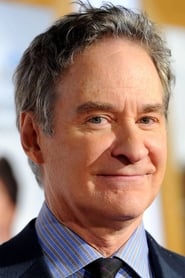 Kevin KlinePhoebus (voice)
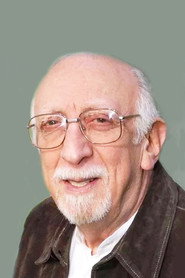 Tony JayFrollo (voice)
 Charles KimbroughGargoyle Victor (voice)
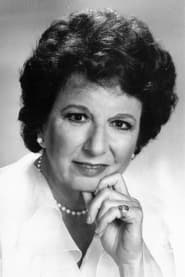 Mary WickesGargoyle Laverne (voice)
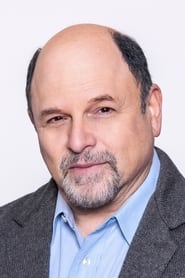 Jason AlexanderGargoyle Hugo (voice)
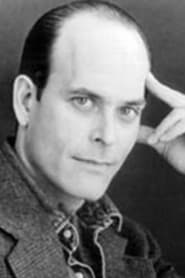 Paul KandelClopin (voice)
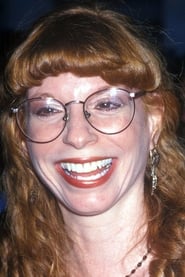 Mary Kay BergmanQuasimodo's Mother (voice)
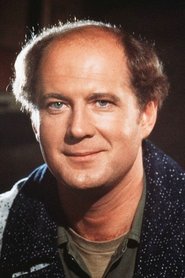 David Ogden StiersArchdeacon (voice)Gary TrousdaleThe Old Heretic (voice)
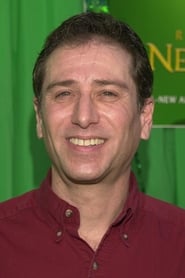 Corey BurtonBrutish Guard / Additional Voices (voice)
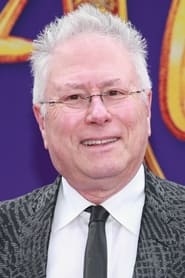 Alan MenkenComposer
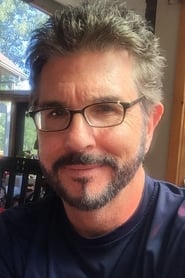 Tab MurphyWriter
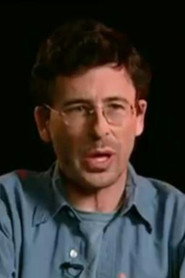 Jonathan RobertsWriter
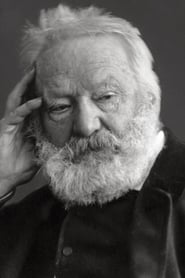 Victor HugoWriter
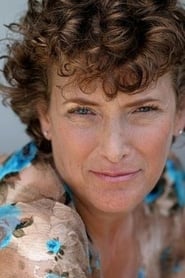 Noni WhiteWriter
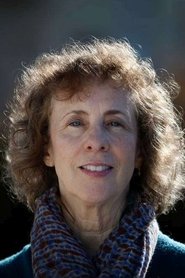 Irene MecchiWriter
 Bob TzudikerWriter
The Hunchback of Notre Dame
Isolated in the bell tower of Notre Dame, Quasimodo longs to experience the world beyond the cathedral walls, despite the wishes of his stern guardian, the Judge of Paris Claude Frollo. His first venture into the city leads him to Esmeralda, a fearless Romani woman whose defiance of Frollo's tyranny draws her—and Quasimodo—into his dangerous obsession.
What critics thought
Disney's darkest animated feature of its era landed mostly well with critics, who admired its visual ambition, imposing choral score, and willingness to tackle themes of lust, prejudice, and outcasts — territory unusual for a studio children's film. The main fault line ran between those who felt the darkness was handled with genuine emotional weight and those, like Janet Maslin at the Times, who argued the feel-good reframing of Hugo's tragedy was a structural problem no amount of craft could paper over. French audiences, watching it amid a real immigration crisis, found it unexpectedly resonant in ways American critics hadn't anticipated.
“the best Disney animated feature since Beauty and the Beast – a whirling, uplifting, thrilling story with a heart touching message that emerges from the comedy and song”
Roger Ebert·Chicago Sun-Times
“the best of Disney's 'serious' animated features in the multiplex era, (...) an emotionally rounded fairy tale that balances darkness and sentimentality, pathos and triumph, with uncanny grace”
Owen Gleiberman·Entertainment Weekly
“the result is a grand cartoon cathedral, teeming with gargoyles and treachery, hopeless love and tortured lust”
Richard Corliss·Time
“In a film that bears conspicuous, eager resemblances to other recent Disney hits, the filmmakers' Herculean work is overshadowed by a Sisyphean problem. There's just no way to delight children with a feel-good version of this story.”
Janet Maslin·The New York Times
“a surprisingly emotional, simplified version of the Victor Hugo novel”
Gene Siskel·Chicago Tribune
Accolades
Genres
Animation, Drama, Family
Cast & Crew
Gary TrousdaleDirectorKirk WiseDirectorTom HulceQuasimodo (voice)Demi MooreEsmeralda (voice)Kevin KlinePhoebus (voice)Tony JayFrollo (voice)Charles KimbroughGargoyle Victor (voice)Mary WickesGargoyle Laverne (voice)Jason AlexanderGargoyle Hugo (voice)Paul KandelClopin (voice)Mary Kay BergmanQuasimodo's Mother (voice)David Ogden StiersArchdeacon (voice)Gary TrousdaleThe Old Heretic (voice)Corey BurtonBrutish Guard / Additional Voices (voice)Alan MenkenComposerTab MurphyWriterJonathan RobertsWriterVictor HugoWriterNoni WhiteWriterIrene MecchiWriterBob TzudikerWriterStream
Rent & Buy