Ralph Breaks the Internet
Stream

Rent & Buy


Video game bad guy Ralph and fellow misfit Vanellope von Schweetz must risk it all by traveling to the World Wide Web in search of a replacement part to save Vanellope's video game, Sugar Rush. In way over their heads, Ralph and Vanellope rely on the citizens of the internet — the netizens — to help navigate their way, including an entrepreneur named Yesss, who is the head algorithm and the heart and soul of trend-making site BuzzzTube.
What critics thought
Broadly well-received but not without reservations, the film wins points for its sharp, self-aware humor and its surprisingly earnest treatment of friendship and codependency — though critics split over whether its portrait of the internet is imaginative worldbuilding or a shallow parade of brands and memes. The Disney princess sequence and meta-satire land for most; the internet-culture gags worry others as jokes with a built-in expiration date.
“somewhere amid the film's ornate imagery and deliriously irreverent humor, we might begin to realize that we're watching a terrifying, incisive satire about the ways that a life lived online makes monsters of us all”
Bilge Ebiri·The New York Times
“soars when it sends up the studio's own films, but its portrayal of the internet feels a little optimistic for 2018”
Bryan Bishop·The Verge
“Within a few years, the specifics of the viral-video gags in Ralph Breaks the Internet will be as dated as a Tay Zonday joke”
Alonso Duralde·TheWrap
“the sequel to the 2012 film is somewhere between Ready Player One and The Emoji Movie, summoning up a zero-gravity spectacle of dazzling colours and vertiginous perspectives, a featureless and inert mashup of memes, brands, avatars, and jokes”
Peter Bradshaw·The Guardian
“what makes the movie compelling, despite the subdued dramatic payoff, is that it is a heightened reflection of our experience—our love affair, really—with our gadgets, our apps and, yes, our brands”
Kerry Lengel·The Arizona Republic
Accolades
Genres
Adventure, Animation, Comedy
Cast & Crew
 Rich MooreDirector
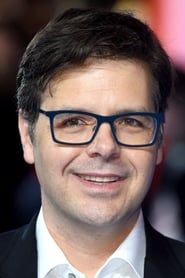 Phil JohnstonDirector
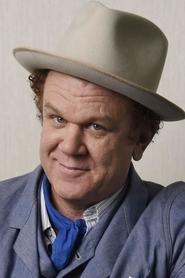 John C. ReillyRalph (voice)
 Sarah SilvermanVanellope (voice)
 Gal GadotShank (voice)
 Taraji P. HensonYesss (voice)
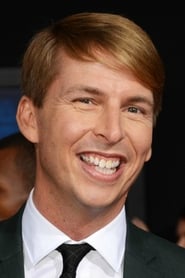 Jack McBrayerFelix (voice)
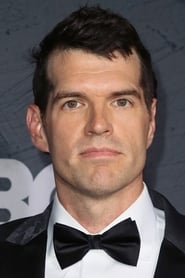 Timothy SimonsButcher Boy (voice)Phil JohnstoneBay Bidder / Surge Protector (voice)
 Mandy MooreRapunzel (voice)
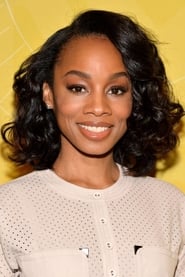 Anika Noni RoseTiana (voice)
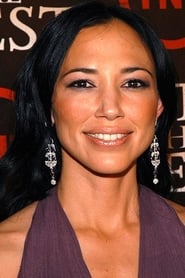 Irene BedardPocahontas (voice)
 Kristen BellAnna (voice)
 Ali WongFelony (voice)
 Henry JackmanComposer
 Pamela RibonWriter
 Josie TrinidadWriter
 Jim ReardonWriter
From the studio
Ralph Breaks the Internet
Video game bad guy Ralph and fellow misfit Vanellope von Schweetz must risk it all by traveling to the World Wide Web in search of a replacement part to save Vanellope's video game, Sugar Rush. In way over their heads, Ralph and Vanellope rely on the citizens of the internet — the netizens — to help navigate their way, including an entrepreneur named Yesss, who is the head algorithm and the heart and soul of trend-making site BuzzzTube.
What critics thought
Broadly well-received but not without reservations, the film wins points for its sharp, self-aware humor and its surprisingly earnest treatment of friendship and codependency — though critics split over whether its portrait of the internet is imaginative worldbuilding or a shallow parade of brands and memes. The Disney princess sequence and meta-satire land for most; the internet-culture gags worry others as jokes with a built-in expiration date.
“somewhere amid the film's ornate imagery and deliriously irreverent humor, we might begin to realize that we're watching a terrifying, incisive satire about the ways that a life lived online makes monsters of us all”
Bilge Ebiri·The New York Times
“soars when it sends up the studio's own films, but its portrayal of the internet feels a little optimistic for 2018”
Bryan Bishop·The Verge
“Within a few years, the specifics of the viral-video gags in Ralph Breaks the Internet will be as dated as a Tay Zonday joke”
Alonso Duralde·TheWrap
“the sequel to the 2012 film is somewhere between Ready Player One and The Emoji Movie, summoning up a zero-gravity spectacle of dazzling colours and vertiginous perspectives, a featureless and inert mashup of memes, brands, avatars, and jokes”
Peter Bradshaw·The Guardian
“what makes the movie compelling, despite the subdued dramatic payoff, is that it is a heightened reflection of our experience—our love affair, really—with our gadgets, our apps and, yes, our brands”
Kerry Lengel·The Arizona Republic
Accolades
Genres
Adventure, Animation, Comedy
Cast & Crew
Rich MooreDirectorPhil JohnstonDirectorJohn C. ReillyRalph (voice)Sarah SilvermanVanellope (voice)Gal GadotShank (voice)Taraji P. HensonYesss (voice)Jack McBrayerFelix (voice)Timothy SimonsButcher Boy (voice)Phil JohnstoneBay Bidder / Surge Protector (voice)Mandy MooreRapunzel (voice)Anika Noni RoseTiana (voice)Irene BedardPocahontas (voice)Kristen BellAnna (voice)Ali WongFelony (voice)Henry JackmanComposerPamela RibonWriterJosie TrinidadWriterJim ReardonWriterFrom the studio
Stream
Rent & Buy