25th Hour
Stream


Rent & Buy


On the eve of a seven-year prison sentence, a New York drug dealer spends his final day of freedom confronting his past, his relationships, and the choices that led to his downfall in a city still reeling from 9/11.
What critics thought
Lee's film earned a moderately favorable response on release, with critics split over whether its Spike Lee stylistic tendencies undermined its strengths, but its reputation has grown considerably over time — it's now frequently cited as one of the best American films of the 2000s, with Monty's furious mirror monologue becoming a cultural touchstone and the film increasingly recognized as a rare genuine artistic response to the shadow of September 11.
“Released 15 months after Sept. 11, 2001, Spike Lee's 25th Hour is the only great film dealing with the Sept. 11 tragedy... 25th Hour is as much an urban historical document as Rossellini's Open City, filmed in the immediate aftermath of the Nazi occupation of Rome”
Mick LaSalle·San Francisco Chronicle
Genres
Drama
Cast & Crew
 Spike LeeDirector
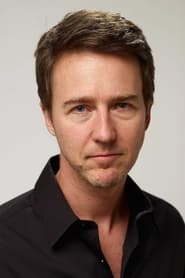 Edward NortonMonty Brogan
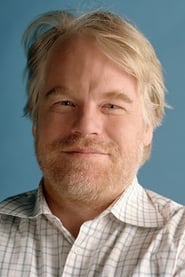 Philip Seymour HoffmanJacob Elinsky
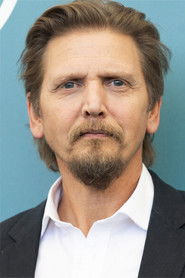 Barry PepperFrank Xavier Slaughtery
 Rosario DawsonNaturelle Riviera
 Anna PaquinMary D'Annuzio
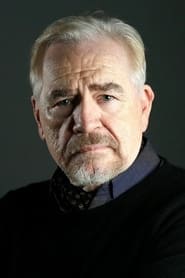 Brian CoxJames Brogan
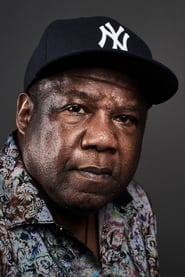 Isiah Whitlock Jr.Agent Flood
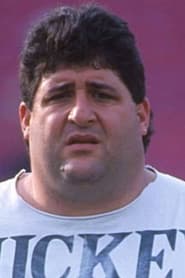 Tony SiragusaKostya Novotny
 Levan UchaneishviliUncle Nikolai
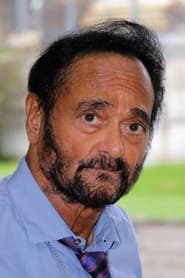 Tony DevonAgent Allen
 Misha KuznetsovSenka Valghobek
 Michael GenetAgent Cunningham
 Terence BlanchardComposer
 David BenioffWriter
 Rodrigo PrietoCinematography
25th Hour
On the eve of a seven-year prison sentence, a New York drug dealer spends his final day of freedom confronting his past, his relationships, and the choices that led to his downfall in a city still reeling from 9/11.
What critics thought
Lee's film earned a moderately favorable response on release, with critics split over whether its Spike Lee stylistic tendencies undermined its strengths, but its reputation has grown considerably over time — it's now frequently cited as one of the best American films of the 2000s, with Monty's furious mirror monologue becoming a cultural touchstone and the film increasingly recognized as a rare genuine artistic response to the shadow of September 11.
“Released 15 months after Sept. 11, 2001, Spike Lee's 25th Hour is the only great film dealing with the Sept. 11 tragedy... 25th Hour is as much an urban historical document as Rossellini's Open City, filmed in the immediate aftermath of the Nazi occupation of Rome”
Mick LaSalle·San Francisco Chronicle
Genres
Drama
Cast & Crew
Spike LeeDirectorEdward NortonMonty BroganPhilip Seymour HoffmanJacob ElinskyBarry PepperFrank Xavier SlaughteryRosario DawsonNaturelle RivieraAnna PaquinMary D'AnnuzioBrian CoxJames BroganIsiah Whitlock Jr.Agent FloodTony SiragusaKostya NovotnyLevan UchaneishviliUncle NikolaiTony DevonAgent AllenMisha KuznetsovSenka ValghobekMichael GenetAgent CunninghamTerence BlanchardComposerDavid BenioffWriterRodrigo PrietoCinematographyStream
Rent & Buy