Melancholia
Stream


Rent & Buy


Two sisters find their already strained relationship challenged as a mysterious new planet threatens to collide with Earth.
What critics thought
Lars von Trier's end-of-the-world chamber piece earned strong critical respect, particularly for Kirsten Dunst's performance and its visceral rendering of depression — but a data analysis of reviews identified it as among the most critically divisive films in recent memory, with some finding its intellectual scaffolding heavy-handed and its dramatic machinery too visible. Its reputation has only grown since release, with retrospective writing positioning it as a touchstone for understanding catastrophe and mental illness on screen.
“It is big, it is enigmatic, and now and then rather irritating. But it is also a visionary work, which makes a gigantic impression. From time to time the film moves on the edge of kitsch, but with Justine played by Kirsten Dunst and Claire played by Charlotte Gainsbourg as the leading characters, Melancholia is a bold, uneven, unruly and completely unforgettable film.”
Ebbe Iversen·Berlingske
“there is, as always with Von Trier's work, a degree of intellectual determinism that can be off-putting; he illustrates rather than truly explore ideas.”
Sukhdev Sandhu·The Daily Telegraph
“Dunst is so good in this film, playing a character unlike any other she has ever attempted, that she won the award for Best Actress at the Cannes Film Festival this past May. Even if the film itself were not the incredible work of art that it is, Dunst's performance alone would be incentive enough to recommend it.”
Steven Loeb·Southampton Patch
“Windup merchant Lars von Trier is back with a film about the end of the world – but it's not to be taken entirely seriously”
Peter Bradshaw·The Guardian
Accolades
Genres
Drama, Sci-Fi
Cast & Crew
 Lars von TrierDirector
 Kirsten DunstJustine
 Charlotte GainsbourgClaire
 Kiefer SutherlandJohn
 Alexander SkarsgårdMichael
 Cameron SpurrLeo
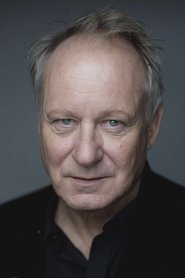 Stellan SkarsgårdJack
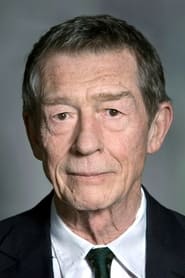 John HurtDexter
 Brady CorbetTim
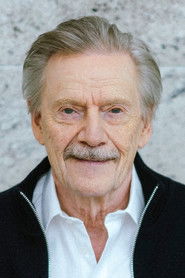 Jesper ChristensenLittle Father
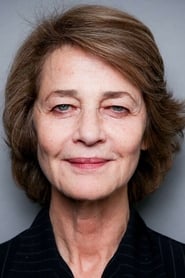 Charlotte RamplingGaby
 Udo KierWedding Planner
 James CagnardMichael's Father
 Manuel Alberto ClaroCinematography
Melancholia
Two sisters find their already strained relationship challenged as a mysterious new planet threatens to collide with Earth.
What critics thought
Lars von Trier's end-of-the-world chamber piece earned strong critical respect, particularly for Kirsten Dunst's performance and its visceral rendering of depression — but a data analysis of reviews identified it as among the most critically divisive films in recent memory, with some finding its intellectual scaffolding heavy-handed and its dramatic machinery too visible. Its reputation has only grown since release, with retrospective writing positioning it as a touchstone for understanding catastrophe and mental illness on screen.
“It is big, it is enigmatic, and now and then rather irritating. But it is also a visionary work, which makes a gigantic impression. From time to time the film moves on the edge of kitsch, but with Justine played by Kirsten Dunst and Claire played by Charlotte Gainsbourg as the leading characters, Melancholia is a bold, uneven, unruly and completely unforgettable film.”
Ebbe Iversen·Berlingske
“there is, as always with Von Trier's work, a degree of intellectual determinism that can be off-putting; he illustrates rather than truly explore ideas.”
Sukhdev Sandhu·The Daily Telegraph
“Dunst is so good in this film, playing a character unlike any other she has ever attempted, that she won the award for Best Actress at the Cannes Film Festival this past May. Even if the film itself were not the incredible work of art that it is, Dunst's performance alone would be incentive enough to recommend it.”
Steven Loeb·Southampton Patch
“Windup merchant Lars von Trier is back with a film about the end of the world – but it's not to be taken entirely seriously”
Peter Bradshaw·The Guardian
Accolades
Genres
Drama, Sci-Fi
Cast & Crew
Lars von TrierDirectorKirsten DunstJustineCharlotte GainsbourgClaireKiefer SutherlandJohnAlexander SkarsgårdMichaelCameron SpurrLeoStellan SkarsgårdJackJohn HurtDexterBrady CorbetTimJesper ChristensenLittle FatherCharlotte RamplingGabyUdo KierWedding PlannerJames CagnardMichael's FatherManuel Alberto ClaroCinematographyStream
Rent & Buy