Rambo: First Blood Part II


John Rambo is released from prison by the government for a top-secret covert mission to the last place on Earth he'd want to return - the jungles of Vietnam.
What critics thought
Critics in 1985 largely dismissed the film as a cynical, politically opportunistic action spectacle that hollowed out the original's troubled protagonist in favor of near-invincible one-man-army carnage. Where they diverged was on whether the sheer scale of the mayhem delivered any visceral satisfaction — a few found it a crudely effective genre exercise, while most found it ideologically retrograde and dramatically tension-free.
“almost as opportunistic as the Congressman it pretends to abhor. In spite of everything it says, it's much less interested in the M.I.A. question than it is in finding a topical frame for the kind of action-adventure film in which Mr. Stallone — his torso and his vacant stare — can do what his fans like best.”
Vincent Canby·The New York Times
“very good at what it does, but what it does isn't always that good”
Gene Siskel·Chicago Tribune
“If a character can seemingly do anything, it's hard to feel tension or concern about his fate. (At least Superman had kryptonite.) We are left with nothing but detached aesthetic appreciation: watching Rambo race through several million dollars worth of explosions and aerial attacks, coruscant fireballs billowing everywhere and bodies flying hither and yon.”
Michael Wilmington·Los Angeles Times
“At best, Rambo: First Blood Part II is a crudely effective right-wing rabble-rouser, the artistic equivalent of carpet bombing—you don't know whether to cheer or run for cover. At worst, it's a tribute to Sylvester Stallone, by Sylvester Stallone, starring Sylvester Stallone.”
Paul Attanasio·The Washington Post
“The director, George P. Cosmatos, gives this near-psychotic material—a mixture of Catholic iconography and Soldier of Fortune pulp—a veneer of professionalism, but the looniness is always there.”
Pauline Kael·The New Yorker
Accolades
Genres
Action, Adventure, Thriller, War
Cast & Crew
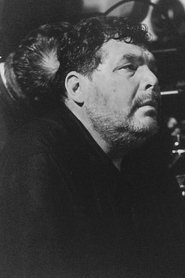 George P. CosmatosDirector
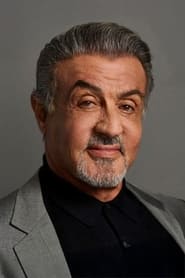 Sylvester StalloneJohn J. Rambo
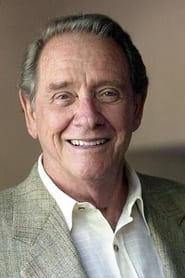 Richard CrennaCol. Samuel Trautman
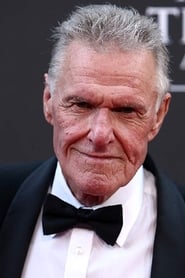 Charles NapierMarshall Murdock
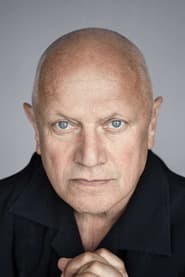 Steven BerkoffLt. Col. Podovsky
 Julia NicksonCo Bao
 Martin KoveEricson
 George CheungCapt Vinh
 Andy WoodBanks
 William GhentCapt. Vinh
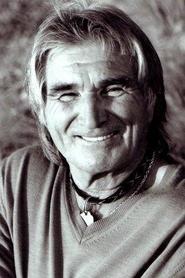 Vojislav GovedaricaSgt. Yushin
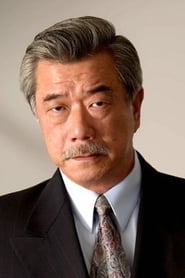 Dana LeeGunboat captain
 Baoan ColemanGunboat captain II
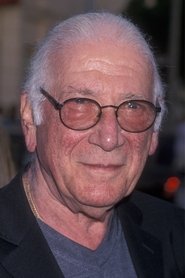 Jerry GoldsmithComposerSylvester StalloneWriter
 James CameronWriter
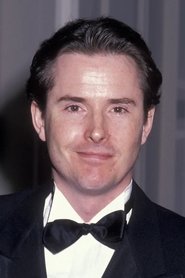 Kevin JarreWriter
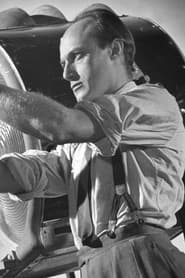 Jack CardiffCinematography
Rambo: First Blood Part II
John Rambo is released from prison by the government for a top-secret covert mission to the last place on Earth he'd want to return - the jungles of Vietnam.
What critics thought
Critics in 1985 largely dismissed the film as a cynical, politically opportunistic action spectacle that hollowed out the original's troubled protagonist in favor of near-invincible one-man-army carnage. Where they diverged was on whether the sheer scale of the mayhem delivered any visceral satisfaction — a few found it a crudely effective genre exercise, while most found it ideologically retrograde and dramatically tension-free.
“almost as opportunistic as the Congressman it pretends to abhor. In spite of everything it says, it's much less interested in the M.I.A. question than it is in finding a topical frame for the kind of action-adventure film in which Mr. Stallone — his torso and his vacant stare — can do what his fans like best.”
Vincent Canby·The New York Times
“very good at what it does, but what it does isn't always that good”
Gene Siskel·Chicago Tribune
“If a character can seemingly do anything, it's hard to feel tension or concern about his fate. (At least Superman had kryptonite.) We are left with nothing but detached aesthetic appreciation: watching Rambo race through several million dollars worth of explosions and aerial attacks, coruscant fireballs billowing everywhere and bodies flying hither and yon.”
Michael Wilmington·Los Angeles Times
“At best, Rambo: First Blood Part II is a crudely effective right-wing rabble-rouser, the artistic equivalent of carpet bombing—you don't know whether to cheer or run for cover. At worst, it's a tribute to Sylvester Stallone, by Sylvester Stallone, starring Sylvester Stallone.”
Paul Attanasio·The Washington Post
“The director, George P. Cosmatos, gives this near-psychotic material—a mixture of Catholic iconography and Soldier of Fortune pulp—a veneer of professionalism, but the looniness is always there.”
Pauline Kael·The New Yorker
Accolades
Genres
Action, Adventure, Thriller, War
Cast & Crew
George P. CosmatosDirectorSylvester StalloneJohn J. RamboRichard CrennaCol. Samuel TrautmanCharles NapierMarshall MurdockSteven BerkoffLt. Col. PodovskyJulia NicksonCo BaoMartin KoveEricsonGeorge CheungCapt VinhAndy WoodBanksWilliam GhentCapt. VinhVojislav GovedaricaSgt. YushinDana LeeGunboat captainBaoan ColemanGunboat captain IIJerry GoldsmithComposerSylvester StalloneWriterJames CameronWriterKevin JarreWriterJack CardiffCinematography