The Last Boy Scout
Stream


Rent & Buy


Somewhere in Los Angeles, the city of broken dreams, a stripper is murdered. Now, the private detective she had hired and her ex-footballer boyfriend are going to find her murderer... if they don't kill each other first. But the more they dig, the deeper they become enmeshed in a web of extortion, blackmail and corrupt politics hidden beneath the surface of professional football.
What critics thought
Critics in 1991 were sharply split — some found it a knowingly trashy, well-crafted action film, others dismissed it as cynically misogynistic formula. Audiences rated it more warmly than reviewers, and retrospective opinion has tilted further in the film's favor, with the Willis-Wayans chemistry and Tony Scott's self-aware direction now cited as genuine strengths.
“a superb example of what it is: a glossy, skillful, cynical, smart, utterly corrupt and vilely misogynistic action thriller.”
Roger Ebert·Chicago Sun-Times
“a cheerfully disreputable buddy thriller that also happens to be one of the most entertaining movies of the season ... [and] gives the actors room to stretch out.”
Entertainment Weekly
“a haze of barely connected story lines about political corruption, pro-football, gambling, infidelity, and blackmail [where] all the questions are answered by another car chase, smashing someone in the face or shooting someone in the forehead.”
Variety
“the filmic equivalent of a hate crime. ... It's mindless, anti-civilization formula for boys who can't get enough.”
Desson Howe·The Washington Post
“The neo-noir thriller The Last Boy Scout is on some level (also) trash — bookended by wildly over-the-top action sequences at football stadiums — elevated not only by director Tony Scott's self-awareness of how ridiculous it all is, but by the sheer force of Willis' performance as a disgraced Secret Service agent turned seedy private detective”
Alan Sepinwall·Rolling Stone
Parents guide
- Violence
- severe
- Sex
- moderate
- Profanity
- severe
- Substances
- moderate
- Intensity
- moderate
Genres
Action, Thriller
Cast & Crew
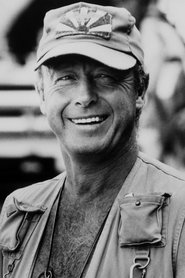 Tony ScottDirector
 Bruce WillisJoe Hallenbeck
 Damon WayansJames Alexander 'Jimmy' Dix
 Chelsea FieldSarah Hallenbeck
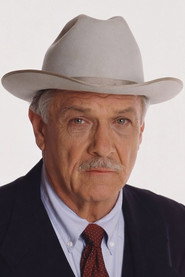 Noble WillinghamSheldon Marcone
 Taylor NegronMilo
 Danielle HarrisDarian Hallenbeck
 Halle BerryCory
 Bruce McGillMike Matthews
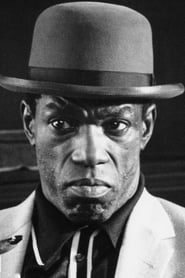 Badja DjolaAlley Thug
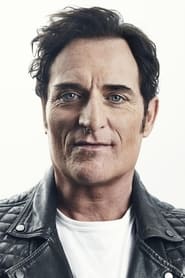 Kim CoatesChet
 Chelcie RossSenator Baynard
 Joe SantosBessalo
 Michael KamenComposer
 Shane BlackWriter
The Last Boy Scout
Somewhere in Los Angeles, the city of broken dreams, a stripper is murdered. Now, the private detective she had hired and her ex-footballer boyfriend are going to find her murderer... if they don't kill each other first. But the more they dig, the deeper they become enmeshed in a web of extortion, blackmail and corrupt politics hidden beneath the surface of professional football.
What critics thought
Critics in 1991 were sharply split — some found it a knowingly trashy, well-crafted action film, others dismissed it as cynically misogynistic formula. Audiences rated it more warmly than reviewers, and retrospective opinion has tilted further in the film's favor, with the Willis-Wayans chemistry and Tony Scott's self-aware direction now cited as genuine strengths.
“a superb example of what it is: a glossy, skillful, cynical, smart, utterly corrupt and vilely misogynistic action thriller.”
Roger Ebert·Chicago Sun-Times
“a cheerfully disreputable buddy thriller that also happens to be one of the most entertaining movies of the season ... [and] gives the actors room to stretch out.”
Entertainment Weekly
“a haze of barely connected story lines about political corruption, pro-football, gambling, infidelity, and blackmail [where] all the questions are answered by another car chase, smashing someone in the face or shooting someone in the forehead.”
Variety
“the filmic equivalent of a hate crime. ... It's mindless, anti-civilization formula for boys who can't get enough.”
Desson Howe·The Washington Post
“The neo-noir thriller The Last Boy Scout is on some level (also) trash — bookended by wildly over-the-top action sequences at football stadiums — elevated not only by director Tony Scott's self-awareness of how ridiculous it all is, but by the sheer force of Willis' performance as a disgraced Secret Service agent turned seedy private detective”
Alan Sepinwall·Rolling Stone
Parents guide
- Violence
- severe
- Sex
- moderate
- Profanity
- severe
- Substances
- moderate
- Intensity
- moderate
Genres
Action, Thriller
Cast & Crew
Tony ScottDirectorBruce WillisJoe HallenbeckDamon WayansJames Alexander 'Jimmy' DixChelsea FieldSarah HallenbeckNoble WillinghamSheldon MarconeTaylor NegronMiloDanielle HarrisDarian HallenbeckHalle BerryCoryBruce McGillMike MatthewsBadja DjolaAlley ThugKim CoatesChetChelcie RossSenator BaynardJoe SantosBessaloMichael KamenComposerShane BlackWriterStream
Rent & Buy