Civil War
Stream

Rent & Buy


In the near future, a group of war journalists attempt to survive while reporting the truth as the United States stands on the brink of civil war.
What critics thought
Alex Garland's war-correspondent thriller earns strong notices for its visceral craft and Kirsten Dunst's performance, but the film's deliberate refusal to name sides or take a political stance became its most contested quality — for some critics a provocative act of restraint, for others a fundamental evasion that leaves the film's considerable tension without a moral payload.
“Rarely have I seen a movie that made me so acutely uncomfortable or watched an actor's face that, like Dunst's, expressed a nation's soul-sickness so vividly that it felt like an X-ray.”
Manohla Dargis·The New York Times
“furiously convincing and disturbing”
Matt Zoller Seitz·RogerEbert.com
“the film feels poetically, deeply true, even when it's suggesting that humans are more apt to tear one another apart for petty grievances than over a sincere defense of some kind of principles”
Amy Nicholson·The Washington Post
“The script's utilization of characters of color as conduits for brutality needed to be explored further ... Ultimately, Civil War feels like a missed opportunity. The director's vision of a fractured America, embroiled in conflict, holds the potential for introspection on our current societal divisions. However, the film's execution, hampered by thin characterization, a lackluster narrative and an overreliance on spectacle over substance, left me disengaged.”
Valerie Complex·Deadline Hollywood
“Civil War does not resonate like that classic, because it does not explicitly address this moment. We as a people cannot fix a problem we cannot name.”
Eisa Nefertari Ulen·The Hollywood Reporter
Genres
Action, Thriller, War
Cast & Crew
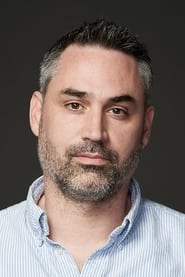 Alex GarlandDirector
 Kirsten DunstLee
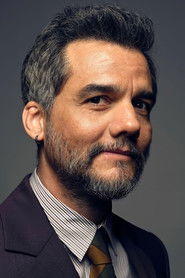 Wagner MouraJoel
 Cailee SpaenyJessie
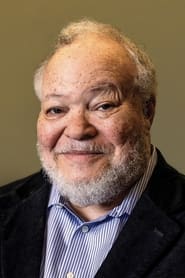 Stephen McKinley HendersonSammy
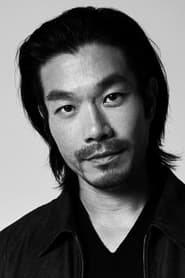 Nelson LeeTony
 Nick OffermanPresident
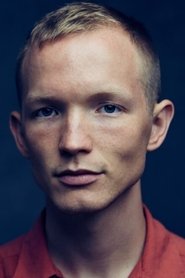 Jefferson WhiteDave
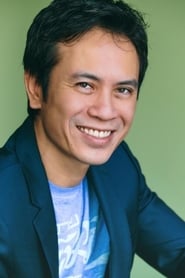 Evan LaiBohai
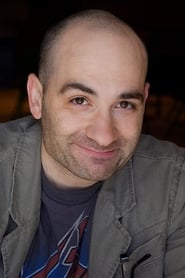 Vince PisaniConcierge
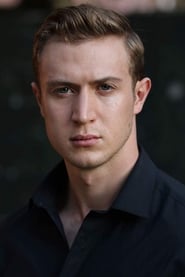 Justin James BoykinAmerican Soldier (Middle East)
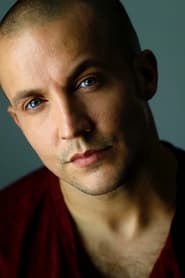 Jess MatneyCheckpoint Soldier
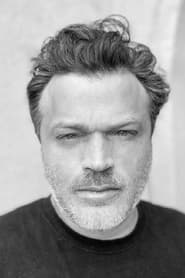 Greg HillPete
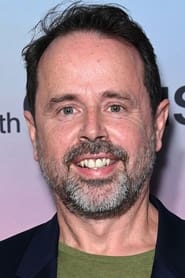 Ben SalisburyComposer
 Geoff BarrowComposer
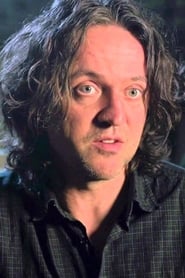 Rob HardyCinematography
From the studio
Civil War
In the near future, a group of war journalists attempt to survive while reporting the truth as the United States stands on the brink of civil war.
What critics thought
Alex Garland's war-correspondent thriller earns strong notices for its visceral craft and Kirsten Dunst's performance, but the film's deliberate refusal to name sides or take a political stance became its most contested quality — for some critics a provocative act of restraint, for others a fundamental evasion that leaves the film's considerable tension without a moral payload.
“Rarely have I seen a movie that made me so acutely uncomfortable or watched an actor's face that, like Dunst's, expressed a nation's soul-sickness so vividly that it felt like an X-ray.”
Manohla Dargis·The New York Times
“furiously convincing and disturbing”
Matt Zoller Seitz·RogerEbert.com
“the film feels poetically, deeply true, even when it's suggesting that humans are more apt to tear one another apart for petty grievances than over a sincere defense of some kind of principles”
Amy Nicholson·The Washington Post
“The script's utilization of characters of color as conduits for brutality needed to be explored further ... Ultimately, Civil War feels like a missed opportunity. The director's vision of a fractured America, embroiled in conflict, holds the potential for introspection on our current societal divisions. However, the film's execution, hampered by thin characterization, a lackluster narrative and an overreliance on spectacle over substance, left me disengaged.”
Valerie Complex·Deadline Hollywood
“Civil War does not resonate like that classic, because it does not explicitly address this moment. We as a people cannot fix a problem we cannot name.”
Eisa Nefertari Ulen·The Hollywood Reporter
Genres
Action, Thriller, War
Cast & Crew
Alex GarlandDirectorKirsten DunstLeeWagner MouraJoelCailee SpaenyJessieStephen McKinley HendersonSammyNelson LeeTonyNick OffermanPresidentJefferson WhiteDaveEvan LaiBohaiVince PisaniConciergeJustin James BoykinAmerican Soldier (Middle East)Jess MatneyCheckpoint SoldierGreg HillPeteBen SalisburyComposerGeoff BarrowComposerRob HardyCinematographyFrom the studio
Stream
Rent & Buy