We Were Soldiers
Stream


Rent & Buy


The year is 1965 and America is at war with North Vietnam. Commanding the air cavalry is Lt. Col. Hal Moore (Gibson), a born leader committed to his troops. His target: the Ia Drang Valley, called "The Valley of Death." As Moore prepares for one of the most violent battles in U.S. history, he delivers a stirring promise to his soldiers and their families: "I will leave no man behind...dead or alive. We will all come home together."
What critics thought
A moderately well-received Vietnam War film whose central argument — that both sides deserve human dignity — drew genuine admiration, while its willingness to sidestep the moral and political wreckage of the war divided critics sharply. Gibson's performance and the coherence of its battle sequences earned consistent praise; the question was whether the film's square-jawed emotional register was honest tribute or sanitized mythology.
“Black Hawk Down was criticized because the characters seemed hard to tell apart. We Were Soldiers doesn't have that problem; in the Hollywood tradition it identifies a few key players, casts them with stars, and follows their stories.”
Roger Ebert·Chicago Sun-Times
“The writer-director bestows honor – generously, apolitically – not only on the dead and still living American veterans who fought in Ia Drang, but also on their families, on their Vietnamese adversaries, and on the families of their adversaries too. Rarely has a foe been portrayed with such measured respect for a separate reality”
Lisa Schwarzbaum·Entertainment Weekly
“We Were Soldiers is shameless in this regard, filling the screen with square-jawed officers who weep at the carnage and fresh-faced GIs who use their last breaths to intone things like, 'I'm glad I died for my country.”
David Sterritt·Christian Science Monitor
“Gibson's performance anchors the film with commanding star power to burn. This officer truly loves his men, and the credibility with which the actor can express Moore's leadership qualities, as well as his sensitive side, is genuinely impressive.”
Todd McCarthy·Variety
Genres
Action, History, War
Cast & Crew
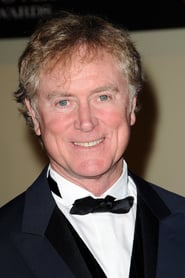 Randall WallaceDirector
 Mel GibsonLt. Col. Hal Moore
 Madeleine StoweJulie Moore
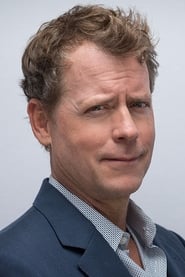 Greg KinnearMaj. Bruce 'Snake' Crandall
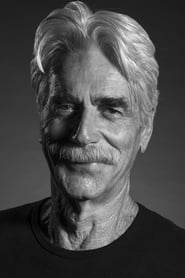 Sam ElliottSgt. Maj. Basil Plumley
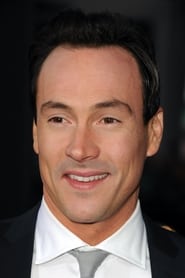 Chris Klein2nd Lt. Jack Geoghegan
 Keri RussellBarbara Geoghegan
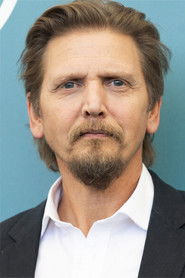 Barry PepperJoe Galloway
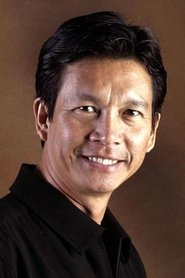 Đơn DươngLt. Col. Nguyen Huu An
 Ryan HurstSgt. Ernie Savage
 Robert Bagnell1st Lt. Charlie Hastings
 Marc Blucas2nd Lt. Henry Herrick
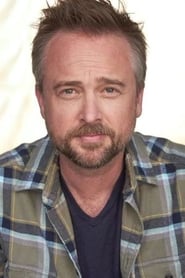 Josh DaughertySp4 Robert Ouellette
 Nick Glennie-SmithComposer
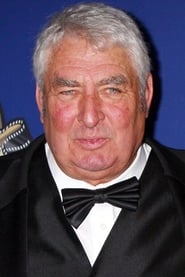 Dean SemlerCinematography
We Were Soldiers
The year is 1965 and America is at war with North Vietnam. Commanding the air cavalry is Lt. Col. Hal Moore (Gibson), a born leader committed to his troops. His target: the Ia Drang Valley, called "The Valley of Death." As Moore prepares for one of the most violent battles in U.S. history, he delivers a stirring promise to his soldiers and their families: "I will leave no man behind...dead or alive. We will all come home together."
What critics thought
A moderately well-received Vietnam War film whose central argument — that both sides deserve human dignity — drew genuine admiration, while its willingness to sidestep the moral and political wreckage of the war divided critics sharply. Gibson's performance and the coherence of its battle sequences earned consistent praise; the question was whether the film's square-jawed emotional register was honest tribute or sanitized mythology.
“Black Hawk Down was criticized because the characters seemed hard to tell apart. We Were Soldiers doesn't have that problem; in the Hollywood tradition it identifies a few key players, casts them with stars, and follows their stories.”
Roger Ebert·Chicago Sun-Times
“The writer-director bestows honor – generously, apolitically – not only on the dead and still living American veterans who fought in Ia Drang, but also on their families, on their Vietnamese adversaries, and on the families of their adversaries too. Rarely has a foe been portrayed with such measured respect for a separate reality”
Lisa Schwarzbaum·Entertainment Weekly
“We Were Soldiers is shameless in this regard, filling the screen with square-jawed officers who weep at the carnage and fresh-faced GIs who use their last breaths to intone things like, 'I'm glad I died for my country.”
David Sterritt·Christian Science Monitor
“Gibson's performance anchors the film with commanding star power to burn. This officer truly loves his men, and the credibility with which the actor can express Moore's leadership qualities, as well as his sensitive side, is genuinely impressive.”
Todd McCarthy·Variety
Genres
Action, History, War
Cast & Crew
Randall WallaceDirectorMel GibsonLt. Col. Hal MooreMadeleine StoweJulie MooreGreg KinnearMaj. Bruce 'Snake' CrandallSam ElliottSgt. Maj. Basil PlumleyChris Klein2nd Lt. Jack GeogheganKeri RussellBarbara GeogheganBarry PepperJoe GallowayĐơn DươngLt. Col. Nguyen Huu AnRyan HurstSgt. Ernie SavageRobert Bagnell1st Lt. Charlie HastingsMarc Blucas2nd Lt. Henry HerrickJosh DaughertySp4 Robert OuelletteNick Glennie-SmithComposerDean SemlerCinematographyStream
Rent & Buy