Vicky Cristina Barcelona


Two girlfriends on a summer holiday in Spain become enamored with the same painter, unaware that his ex-wife, with whom he has a tempestuous relationship, is about to re-enter the picture.
What critics thought
A warmly received late-period Woody Allen, the film draws critics most reliably through its sun-drenched Barcelona atmosphere and an unusually well-matched ensemble — Penélope Cruz in particular drew near-universal attention. Where reviewers diverged was on depth: some found it intoxicatingly ambiguous beneath its breezy surface, while others felt it fell short of the emotional and satirical precision of the European films it clearly aspires to match.
“a witty and ambiguous film that's simultaneously intoxicating and suffused with sadness and doubt.”
Scott Tobias·The A.V. Club
“Although Vicky Cristina Barcelona trips along winningly, carried by the beauty of its locations and stars — and all the gauzy romanticism those enchanted places and people imply — it reverberates with implacable melancholy, a sense of loss.”
Manohla Dargis·The New York Times
“Vicky Cristina Barcelona has neither the sardonic heft of Max Ophüls's La Ronde (1950) nor the emotional precision of Ingmar Bergman's Smiles of a Summer Night (1955), two films that also dance the change-partners gavotte. But the film is so engaging so much of the time that it feels like a modest rejuvenation: evidence that a summer in Spain can do wonders for a writer-director who may not have outlived his prime.”
Richard Corliss·Time
“within Allen's recent output, Vicky Cristina Barcelona is a highlight. See it for beautiful locales, an ambivalent look at human relationships and a clutch of great performances, particularly from Cruz.”
Ian Freer·Empire
Accolades
Parents guide
- Violence
- mild
- Sex
- mild
- Profanity
- mild
- Substances
- mild
- Intensity
- mild
Genres
Drama, Romance
Cast & Crew
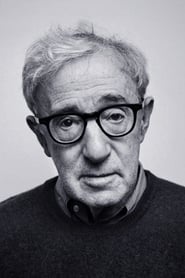 Woody AllenDirector
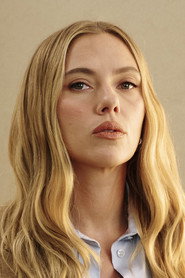 Scarlett JohanssonCristina
 Rebecca HallVicky
 Javier BardemJuan Antonio Gonzalo
 Penélope CruzMaría Elena
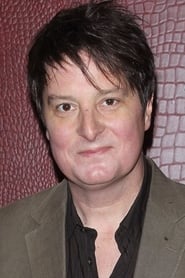 Christopher Evan WelchNarrator (voice)
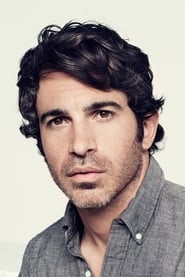 Chris MessinaDoug
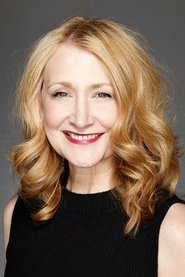 Patricia ClarksonJudy Nash
 Kevin DunnMark Nash
 Julio PerillánCharles
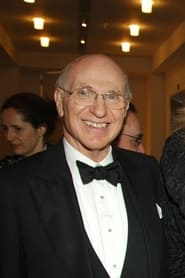 Maurice SonnenbergArt Gallery Guest
 Manel BarcelóDoctor
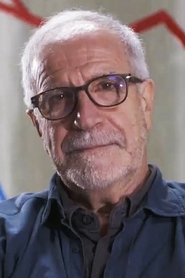 Javier AguirresarobeCinematography
Vicky Cristina Barcelona
Two girlfriends on a summer holiday in Spain become enamored with the same painter, unaware that his ex-wife, with whom he has a tempestuous relationship, is about to re-enter the picture.
What critics thought
A warmly received late-period Woody Allen, the film draws critics most reliably through its sun-drenched Barcelona atmosphere and an unusually well-matched ensemble — Penélope Cruz in particular drew near-universal attention. Where reviewers diverged was on depth: some found it intoxicatingly ambiguous beneath its breezy surface, while others felt it fell short of the emotional and satirical precision of the European films it clearly aspires to match.
“a witty and ambiguous film that's simultaneously intoxicating and suffused with sadness and doubt.”
Scott Tobias·The A.V. Club
“Although Vicky Cristina Barcelona trips along winningly, carried by the beauty of its locations and stars — and all the gauzy romanticism those enchanted places and people imply — it reverberates with implacable melancholy, a sense of loss.”
Manohla Dargis·The New York Times
“Vicky Cristina Barcelona has neither the sardonic heft of Max Ophüls's La Ronde (1950) nor the emotional precision of Ingmar Bergman's Smiles of a Summer Night (1955), two films that also dance the change-partners gavotte. But the film is so engaging so much of the time that it feels like a modest rejuvenation: evidence that a summer in Spain can do wonders for a writer-director who may not have outlived his prime.”
Richard Corliss·Time
“within Allen's recent output, Vicky Cristina Barcelona is a highlight. See it for beautiful locales, an ambivalent look at human relationships and a clutch of great performances, particularly from Cruz.”
Ian Freer·Empire
Accolades
Parents guide
- Violence
- mild
- Sex
- mild
- Profanity
- mild
- Substances
- mild
- Intensity
- mild
Genres
Drama, Romance
Cast & Crew
Woody AllenDirectorScarlett JohanssonCristinaRebecca HallVickyJavier BardemJuan Antonio GonzaloPenélope CruzMaría ElenaChristopher Evan WelchNarrator (voice)Chris MessinaDougPatricia ClarksonJudy NashKevin DunnMark NashJulio PerillánCharlesMaurice SonnenbergArt Gallery GuestManel BarcelóDoctorJavier AguirresarobeCinematography