Public Enemies
Stream

Rent & Buy


Depression-era bank robber John Dillinger's charm and audacity endear him to much of America's downtrodden public, but he's also a thorn in the side of J. Edgar Hoover and the fledgling FBI. Desperate to capture the elusive outlaw, Hoover makes Dillinger his first Public Enemy Number One and assigns his top agent, Melvin Purvis, the task of bringing him in dead or alive.
What critics thought
Mann's digital-shot Dillinger picture lands as a technically striking, performance-driven crime film that critics largely admired without fully embracing — the cinematography and Depp's cold, un-actorly portrayal drew consistent praise, but a meaningful minority felt the docudrama approach drained the story of emotional stakes and squandered its folk-hero mythology.
“This Johnny Depp performance is something else. For once an actor playing a gangster does not seem to base his performance on movies he has seen. He starts cold. He plays Dillinger as a fact.”
Roger Ebert·Chicago Sun Times
“Michael Mann's Public Enemies is a grave and beautiful work of art. Shot in high-definition digital by a filmmaker who's helping change the way movies look, it revisits with meticulous detail and convulsions of violence a short, frantic period in the life and bank-robbing times of John Dillinger.”
Manohla Dargis·The New York Times
“the most regrettable crime here is the way that Mann, trying to do too much, robs himself of a great opportunity.”
Liam Lacey·The Globe and Mail
“precious little dramatic juice”
Richard Corliss·Time
Genres
Crime, History, Drama
Cast & Crew
 Michael MannDirector
 Johnny DeppJohn Dillinger
 Christian BaleMelvin Purvis
 Marion CotillardBillie Frechette
 Jason Clarke'Red' Hamilton
 Rory CochraneAgent Carter Baum
 Billy CrudupJ. Edgar Hoover
 Stephen DorffHomer Van Meter
 Stephen LangCharles Winstead
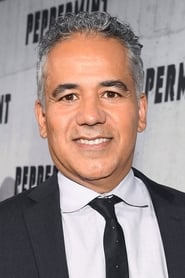 John OrtizPhil D'Andrea
 Giovanni RibisiAlvin Karpis
 David WenhamHarry 'Pete' Pierpont
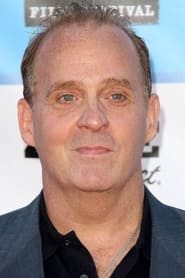 John Michael BolgerMartin Zarkovich
 Elliot GoldenthalComposer
 Dante SpinottiCinematography
Public Enemies
Depression-era bank robber John Dillinger's charm and audacity endear him to much of America's downtrodden public, but he's also a thorn in the side of J. Edgar Hoover and the fledgling FBI. Desperate to capture the elusive outlaw, Hoover makes Dillinger his first Public Enemy Number One and assigns his top agent, Melvin Purvis, the task of bringing him in dead or alive.
What critics thought
Mann's digital-shot Dillinger picture lands as a technically striking, performance-driven crime film that critics largely admired without fully embracing — the cinematography and Depp's cold, un-actorly portrayal drew consistent praise, but a meaningful minority felt the docudrama approach drained the story of emotional stakes and squandered its folk-hero mythology.
“This Johnny Depp performance is something else. For once an actor playing a gangster does not seem to base his performance on movies he has seen. He starts cold. He plays Dillinger as a fact.”
Roger Ebert·Chicago Sun Times
“Michael Mann's Public Enemies is a grave and beautiful work of art. Shot in high-definition digital by a filmmaker who's helping change the way movies look, it revisits with meticulous detail and convulsions of violence a short, frantic period in the life and bank-robbing times of John Dillinger.”
Manohla Dargis·The New York Times
“the most regrettable crime here is the way that Mann, trying to do too much, robs himself of a great opportunity.”
Liam Lacey·The Globe and Mail
“precious little dramatic juice”
Richard Corliss·Time
Genres
Crime, History, Drama
Cast & Crew
Michael MannDirectorJohnny DeppJohn DillingerChristian BaleMelvin PurvisMarion CotillardBillie FrechetteJason Clarke'Red' HamiltonRory CochraneAgent Carter BaumBilly CrudupJ. Edgar HooverStephen DorffHomer Van MeterStephen LangCharles WinsteadJohn OrtizPhil D'AndreaGiovanni RibisiAlvin KarpisDavid WenhamHarry 'Pete' PierpontJohn Michael BolgerMartin ZarkovichElliot GoldenthalComposerDante SpinottiCinematographyStream
Rent & Buy