Resident Evil: Afterlife
Stream

Rent & Buy


In a world ravaged by a virus infection, turning its victims into the Undead, Alice continues on her journey to find survivors and lead them to safety. Her deadly battle with the Umbrella Corporation reaches new heights, but Alice gets some unexpected help from an old friend. A new lead that promises a safe haven from the Undead takes them to Los Angeles, but when they arrive the city is overrun by thousands of Undead - and Alice and her comrades are about to step into a deadly trap.
What critics thought
Critics largely dismissed the fourth Resident Evil entry as a derivative, plot-thin exercise in slow-motion spectacle, with most pans targeting the franchise's apparent indifference to narrative coherence and originality. A small minority found the 3D cinematography and Milla Jovovich's physicality worth the price of admission, making the divide less about quality than about how much tolerance a viewer brings for style-over-substance action.
“the action is easier to read than in most films of the genre, and therefore more enjoyable. Anderson makes particular use of sets and locations to wring out more bang for the stereoscopic buck”
Michael Ordoña·Los Angeles Times
“always look good and have well-staged action, but they don't have one iota of originality or imagination”
Phelim O'Neill·The Guardian
“Cannibalizing John Carpenter's Thing and much of the sci-fi-horror canon, Afterlife is more moribund than its thronging undead”
Jeannette Catsoulis·The New York Times
“results are even less impressive, which is saying quite something”
David Edwards·Daily Mirror
“Perhaps the first 3D motion picture to simulate the experience of watching paint dry, Resident Evil: Afterlife is a dreadful bore that only occasionally comes to life.”
Brian Orndorf·Dark Horizons
Genres
Action, Adventure, Horror, Science Fiction
Cast & Crew
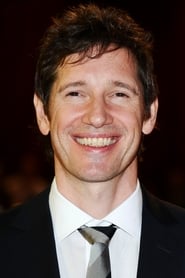 Paul W. S. AndersonDirector
 Milla JovovichAlice
 Ali LarterClaire Redfield
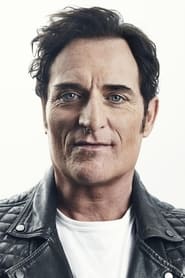 Kim CoatesBennett
 Shawn RobertsAlbert Wesker
 Sergio Peris-MenchetaAngel
 Spencer LockeK-Mart
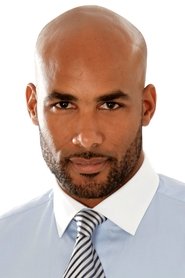 Boris KodjoeLuther
 Wentworth MillerChris Redfield
 Sienna GuilloryJill Valentine
 Kacey BarnfieldCrystal Waters
 Norman YeungKim Yong
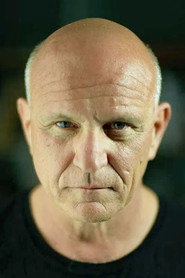 Fulvio CecereWendell
Resident Evil: Afterlife
In a world ravaged by a virus infection, turning its victims into the Undead, Alice continues on her journey to find survivors and lead them to safety. Her deadly battle with the Umbrella Corporation reaches new heights, but Alice gets some unexpected help from an old friend. A new lead that promises a safe haven from the Undead takes them to Los Angeles, but when they arrive the city is overrun by thousands of Undead - and Alice and her comrades are about to step into a deadly trap.
What critics thought
Critics largely dismissed the fourth Resident Evil entry as a derivative, plot-thin exercise in slow-motion spectacle, with most pans targeting the franchise's apparent indifference to narrative coherence and originality. A small minority found the 3D cinematography and Milla Jovovich's physicality worth the price of admission, making the divide less about quality than about how much tolerance a viewer brings for style-over-substance action.
“the action is easier to read than in most films of the genre, and therefore more enjoyable. Anderson makes particular use of sets and locations to wring out more bang for the stereoscopic buck”
Michael Ordoña·Los Angeles Times
“always look good and have well-staged action, but they don't have one iota of originality or imagination”
Phelim O'Neill·The Guardian
“Cannibalizing John Carpenter's Thing and much of the sci-fi-horror canon, Afterlife is more moribund than its thronging undead”
Jeannette Catsoulis·The New York Times
“results are even less impressive, which is saying quite something”
David Edwards·Daily Mirror
“Perhaps the first 3D motion picture to simulate the experience of watching paint dry, Resident Evil: Afterlife is a dreadful bore that only occasionally comes to life.”
Brian Orndorf·Dark Horizons
Genres
Action, Adventure, Horror, Science Fiction
Cast & Crew
Paul W. S. AndersonDirectorMilla JovovichAliceAli LarterClaire RedfieldKim CoatesBennettShawn RobertsAlbert WeskerSergio Peris-MenchetaAngelSpencer LockeK-MartBoris KodjoeLutherWentworth MillerChris RedfieldSienna GuilloryJill ValentineKacey BarnfieldCrystal WatersNorman YeungKim YongFulvio CecereWendellStream
Rent & Buy