The Bourne Legacy
Stream

Rent & Buy


New CIA operative Aaron Cross experiences life-or-death stakes that have been triggered by the previous actions of Jason Bourne.
What critics thought
The Bourne Legacy divided critics squarely down the middle: some found Tony Gilroy's more grounded, deliberate approach a welcome change from Paul Greengrass's frenetic style, while others felt the franchise had run out of genuine momentum and that the convoluted plotting never cohered into anything satisfying. Jeremy Renner's presence drew consistent praise, but the film's murky exposition and 'capable but uninspired' execution left many questioning whether the expansion of this universe was earned.
“The Bourne Legacy is always gripping in the moment. The problem is in getting the moments to add up. I freely confess that for at least the first 30 minutes I had no clear idea of why anything was happening. The dialogue is concise, the cinematography is arresting and the plot is a murky muddle.”
Roger Ebert·Chicago Sun-Times
“The Bourne films have more than just overstayed their welcome and outlasted the Ludlum books—they've been Van Halenized, with an abrupt change of frontman and a resulting dip in personality.”
Michael Atkinson·The Village Voice
“Gilroy, who as a screenwriter has shaped the movie saga from the beginning, trades the wired rhythms established in the past two episodes by Paul Greengrass for something more realistic and closer to the ground. The change is refreshing. Jason Bourne's legacy is in good hands.”
Lisa Schwarzbaum·Entertainment Weekly
“the combination of Robert Elswit's elegant widescreen lensing and the measured editing by Tony Gilroy's brother John may be easier to absorb than Greengrass' hyperkinetic docu-based style, but the pic's convoluted script ensures that auds will emerge no less overwhelmed.”
Peter Debruge·Variety
“the series' legacy is lessened by this capable but uninspired fourth episode.”
Todd McCarthy·The Hollywood Reporter
Parents guide
- Violence
- moderate
- Sex
- none
- Profanity
- mild
- Substances
- mild
- Intensity
- moderate
Genres
Action, Thriller
Cast & Crew
 Tony GilroyDirector
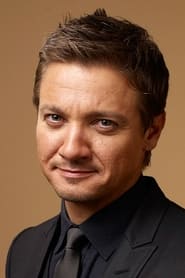 Jeremy RennerAaron Cross
 Rachel WeiszDr. Marta Shearing
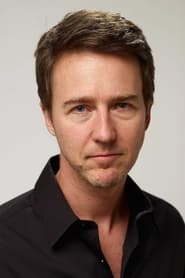 Edward NortonByer
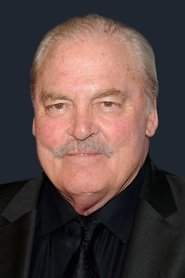 Stacy KeachTurso
 Dennis BoutsikarisWard
 Oscar IsaacOutcome #3
 Joan AllenPamela Landy
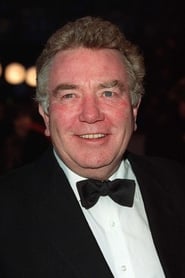 Albert FinneyDr. Albert Hirsch
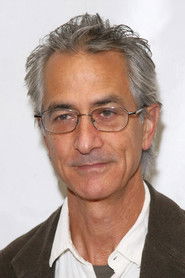 David StrathairnNoah Vosen
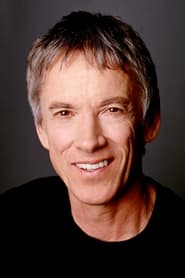 Scott GlennEzra Kramer
 Donna MurphyDita Mandy
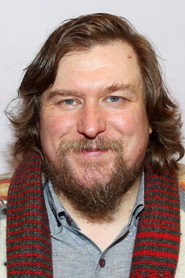 Michael ChernusArthur Ingram
 James Newton HowardComposer
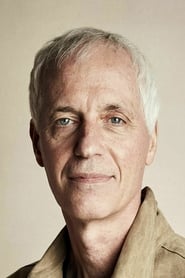 Dan GilroyWriter
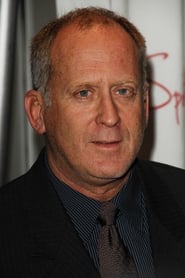 Robert ElswitCinematography
The Bourne Legacy
New CIA operative Aaron Cross experiences life-or-death stakes that have been triggered by the previous actions of Jason Bourne.
What critics thought
The Bourne Legacy divided critics squarely down the middle: some found Tony Gilroy's more grounded, deliberate approach a welcome change from Paul Greengrass's frenetic style, while others felt the franchise had run out of genuine momentum and that the convoluted plotting never cohered into anything satisfying. Jeremy Renner's presence drew consistent praise, but the film's murky exposition and 'capable but uninspired' execution left many questioning whether the expansion of this universe was earned.
“The Bourne Legacy is always gripping in the moment. The problem is in getting the moments to add up. I freely confess that for at least the first 30 minutes I had no clear idea of why anything was happening. The dialogue is concise, the cinematography is arresting and the plot is a murky muddle.”
Roger Ebert·Chicago Sun-Times
“The Bourne films have more than just overstayed their welcome and outlasted the Ludlum books—they've been Van Halenized, with an abrupt change of frontman and a resulting dip in personality.”
Michael Atkinson·The Village Voice
“Gilroy, who as a screenwriter has shaped the movie saga from the beginning, trades the wired rhythms established in the past two episodes by Paul Greengrass for something more realistic and closer to the ground. The change is refreshing. Jason Bourne's legacy is in good hands.”
Lisa Schwarzbaum·Entertainment Weekly
“the combination of Robert Elswit's elegant widescreen lensing and the measured editing by Tony Gilroy's brother John may be easier to absorb than Greengrass' hyperkinetic docu-based style, but the pic's convoluted script ensures that auds will emerge no less overwhelmed.”
Peter Debruge·Variety
“the series' legacy is lessened by this capable but uninspired fourth episode.”
Todd McCarthy·The Hollywood Reporter
Parents guide
- Violence
- moderate
- Sex
- none
- Profanity
- mild
- Substances
- mild
- Intensity
- moderate
Genres
Action, Thriller
Cast & Crew
Tony GilroyDirectorJeremy RennerAaron CrossRachel WeiszDr. Marta ShearingEdward NortonByerStacy KeachTursoDennis BoutsikarisWardOscar IsaacOutcome #3Joan AllenPamela LandyAlbert FinneyDr. Albert HirschDavid StrathairnNoah VosenScott GlennEzra KramerDonna MurphyDita MandyMichael ChernusArthur IngramJames Newton HowardComposerDan GilroyWriterRobert ElswitCinematographyStream
Rent & Buy