Inside Llewyn Davis
Stream


Rent & Buy


In Greenwich Village in the early 1960s, gifted but volatile folk musician Llewyn Davis struggles with money, relationships, and his uncertain future.
What critics thought
Critics greeted the film as one of the Coens' finest, drawn to its loop-like structure, Oscar Isaac's deeply inhabited performance, and T-Bone Burnett's meticulously period-correct folk soundtrack. The sharpest division came not among professional reviewers — who were nearly unanimous — but between critics and the folk community itself, where surviving figures from the actual Greenwich Village scene objected that the Coens had turned a warm, chaotic world into something airless and bleak, and had reinvented Dave Van Ronk, by all accounts a generous man, as a self-defeating loner. That gap between critical rapture and insider grievance is the most interesting fault line the film produced.
“While often funny and alive with winning performances, Inside Llewyn Davis finds the brothers in a dark mood, exploring the near-inevitable disappointment that faces artists too sincere to compromise—disappointments that the Coens, to their credit, have made a career out of dodging. The result is their most affecting film since the masterful A Serious Man.”
Alan Scherstuhl·The Village Voice
“We are, as a species, ridiculous: vain, ugly, selfish and self-deluding. But somehow, some of our attempts to take stock of this condition—our songs and stories and moving pictures old and new—manage to be beautiful, even sublime.”
A. O. Scott·The New York Times
“What's inside Llewyn Davis? A hole that he fills with music that's never quite his.”
Ty Burr·The Washington Post
“Don't be fooled by the seemingly minor key ... this is one of the finest works by—let's just call it—the most consistently innovative, versatile and thrilling American filmmakers of the last quarter-century.”
Leigh Singer·IGN
Accolades
Genres
Drama, Music
Cast & Crew
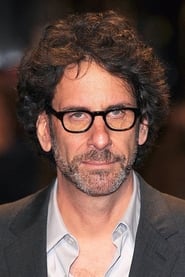 Joel CoenDirector
 Ethan CoenDirector
 Oscar IsaacLlewyn Davis
 Carey MulliganJean
 Justin TimberlakeJim
 Ethan PhillipsMitch Gorfein
 Robin BartlettLillian Gorfein
 Max CasellaPappi Corsicato
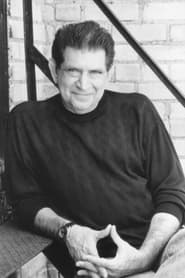 Jerry GraysonMel Novikoff
 Jeanine SerrallesJoy
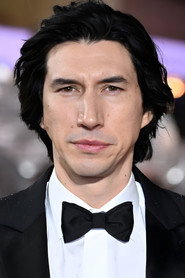 Adam DriverAl Cody
 Stark SandsTroy Nelson
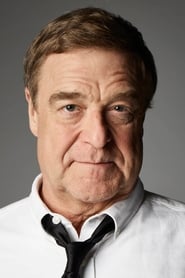 John GoodmanRoland Turner
 Garrett HedlundJohnny Five
 Bruno DelbonnelCinematography
Inside Llewyn Davis
In Greenwich Village in the early 1960s, gifted but volatile folk musician Llewyn Davis struggles with money, relationships, and his uncertain future.
What critics thought
Critics greeted the film as one of the Coens' finest, drawn to its loop-like structure, Oscar Isaac's deeply inhabited performance, and T-Bone Burnett's meticulously period-correct folk soundtrack. The sharpest division came not among professional reviewers — who were nearly unanimous — but between critics and the folk community itself, where surviving figures from the actual Greenwich Village scene objected that the Coens had turned a warm, chaotic world into something airless and bleak, and had reinvented Dave Van Ronk, by all accounts a generous man, as a self-defeating loner. That gap between critical rapture and insider grievance is the most interesting fault line the film produced.
“While often funny and alive with winning performances, Inside Llewyn Davis finds the brothers in a dark mood, exploring the near-inevitable disappointment that faces artists too sincere to compromise—disappointments that the Coens, to their credit, have made a career out of dodging. The result is their most affecting film since the masterful A Serious Man.”
Alan Scherstuhl·The Village Voice
“We are, as a species, ridiculous: vain, ugly, selfish and self-deluding. But somehow, some of our attempts to take stock of this condition—our songs and stories and moving pictures old and new—manage to be beautiful, even sublime.”
A. O. Scott·The New York Times
“What's inside Llewyn Davis? A hole that he fills with music that's never quite his.”
Ty Burr·The Washington Post
“Don't be fooled by the seemingly minor key ... this is one of the finest works by—let's just call it—the most consistently innovative, versatile and thrilling American filmmakers of the last quarter-century.”
Leigh Singer·IGN
Accolades
Genres
Drama, Music
Cast & Crew
Joel CoenDirectorEthan CoenDirectorOscar IsaacLlewyn DavisCarey MulliganJeanJustin TimberlakeJimEthan PhillipsMitch GorfeinRobin BartlettLillian GorfeinMax CasellaPappi CorsicatoJerry GraysonMel NovikoffJeanine SerrallesJoyAdam DriverAl CodyStark SandsTroy NelsonJohn GoodmanRoland TurnerGarrett HedlundJohnny FiveBruno DelbonnelCinematographyStream
Rent & Buy