The Lone Ranger
Rent & Buy


The Texas Rangers chase down a gang of outlaws led by Butch Cavendish, but the gang ambushes the Rangers, seemingly killing them all. One survivor is found, however, by an American Indian named Tonto, who nurses him back to health. The Ranger, donning a mask and riding a white stallion named Silver, teams up with Tonto to bring the unscrupulous gang and others of that ilk to justice.
What critics thought
DivisiveAmerican critics largely dismissed it as an overstuffed, tonally confused blockbuster, while British critics were notably more forgiving; the film has since accumulated a small but vocal reappraisal movement that sees its deconstruction of Western mythology as genuinely ambitious. The central fault lines were pacing (an hour before the mask even appears), whether the comedic spectacle earns its runtime, and whether the film's treatment of Native American suffering is irresponsible or pointedly melancholic.
“a jumbled botch that is so confused in its purpose and so charmless in its effect that it must be seen to be believed”
Mick LaSalle·San Francisco Chronicle
“an ambitious and inventive film that's always trying to tweak formula and play with audience expectations. If anything, it's overstuffed with imagination and ideas.”
Andrew O'Hehir·Salon.com
“[r]eal storytelling, well thought-out and beautifully, at times insanely, executed, with excitement, laughs and fun to make you feel seven years old again.”
Angie Errigo·Empire
“for all its miscalculations, this is a personal picture, violent and sweet, clever and goofy. It's as obsessive and overbearing as Steven Spielberg's 1941 – and, I'll bet, as likely to be re-evaluated twenty years from now, and described as 'misunderstood.”
Matt Zoller Seitz·RogerEbert.com
“it takes a full hour for Reid to don his mask, and then there's another 80 unremarkable minutes to go”
Tim Walker·The Independent
Accolades
Genres
Action, Adventure, Western
Cast & Crew
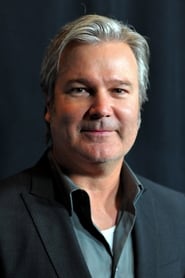 Gore VerbinskiDirector
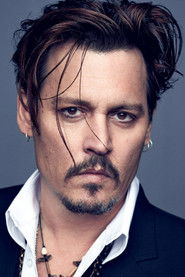 Johnny DeppTonto
 Armie HammerJohn Reid / The Lone Ranger
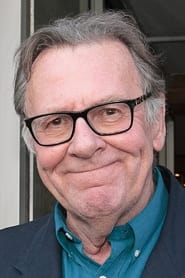 Tom WilkinsonCole
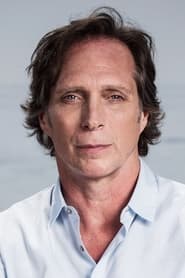 William FichtnerButch Cavendish
 Helena Bonham CarterRed Harrington
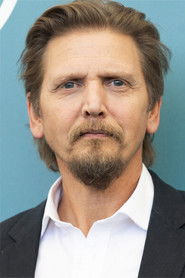 Barry PepperFuller
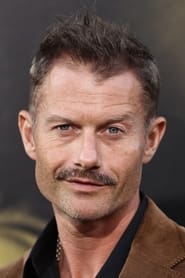 James Badge DaleDan Reid
 Ruth WilsonRebecca Reid
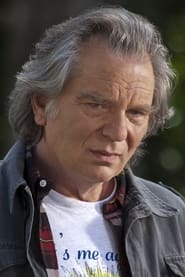 Leon RippyCollins
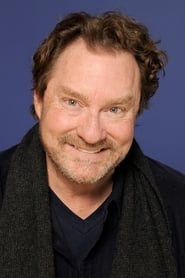 Stephen RootHabberman
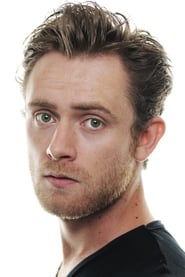 Matt O'LearySkinny
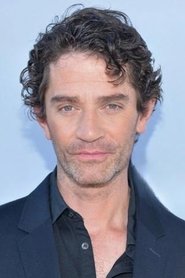 James FrainBarret
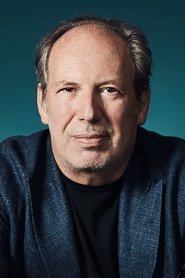 Hans ZimmerComposer
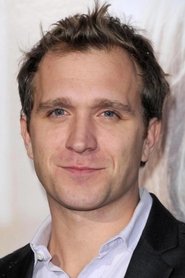 Justin HaytheWriter
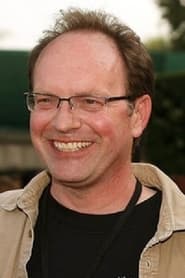 Ted ElliottWriter
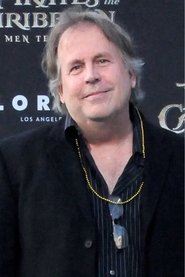 Terry RossioWriter
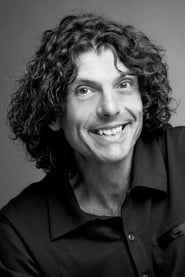 Bojan BazelliCinematography
The Lone Ranger
The Texas Rangers chase down a gang of outlaws led by Butch Cavendish, but the gang ambushes the Rangers, seemingly killing them all. One survivor is found, however, by an American Indian named Tonto, who nurses him back to health. The Ranger, donning a mask and riding a white stallion named Silver, teams up with Tonto to bring the unscrupulous gang and others of that ilk to justice.
What critics thought
DivisiveAmerican critics largely dismissed it as an overstuffed, tonally confused blockbuster, while British critics were notably more forgiving; the film has since accumulated a small but vocal reappraisal movement that sees its deconstruction of Western mythology as genuinely ambitious. The central fault lines were pacing (an hour before the mask even appears), whether the comedic spectacle earns its runtime, and whether the film's treatment of Native American suffering is irresponsible or pointedly melancholic.
“a jumbled botch that is so confused in its purpose and so charmless in its effect that it must be seen to be believed”
Mick LaSalle·San Francisco Chronicle
“an ambitious and inventive film that's always trying to tweak formula and play with audience expectations. If anything, it's overstuffed with imagination and ideas.”
Andrew O'Hehir·Salon.com
“[r]eal storytelling, well thought-out and beautifully, at times insanely, executed, with excitement, laughs and fun to make you feel seven years old again.”
Angie Errigo·Empire
“for all its miscalculations, this is a personal picture, violent and sweet, clever and goofy. It's as obsessive and overbearing as Steven Spielberg's 1941 – and, I'll bet, as likely to be re-evaluated twenty years from now, and described as 'misunderstood.”
Matt Zoller Seitz·RogerEbert.com
“it takes a full hour for Reid to don his mask, and then there's another 80 unremarkable minutes to go”
Tim Walker·The Independent
Accolades
Genres
Action, Adventure, Western
Cast & Crew
Gore VerbinskiDirectorJohnny DeppTontoArmie HammerJohn Reid / The Lone RangerTom WilkinsonColeWilliam FichtnerButch CavendishHelena Bonham CarterRed HarringtonBarry PepperFullerJames Badge DaleDan ReidRuth WilsonRebecca ReidLeon RippyCollinsStephen RootHabbermanMatt O'LearySkinnyJames FrainBarretHans ZimmerComposerJustin HaytheWriterTed ElliottWriterTerry RossioWriterBojan BazelliCinematographyRent & Buy