The Post
Rent & Buy


A cover-up that spanned four U.S. Presidents pushed the country's first female newspaper publisher and a hard-driving editor to join an unprecedented battle between journalist and government. Inspired by true events.
What critics thought
Spielberg's thriller about the Washington Post's decision to publish the Pentagon Papers lands as urgent, compellingly acted, and technically virtuosic — critics largely agreed on those points. The main fault line was whether the film's accessible, polished craftsmanship tips into calculation: some felt its clarity and crowd-pleasing momentum put it just below the great journalism films it invites comparison to, while others argued that its apparently smooth surface disguises a deeper, coded portrait of press freedom under political pressure that contemporaneous reviewers underrated.
“Nobody needs to be reminded that history tends to go in circles, but The Post is so vital because it captures the ecstasy of trying to break the chain and bend things towards justice; defending the fundamental tenets of the Constitution hasn't been this much fun since Hamilton.”
David Ehrlich·IndieWire
“Spielberg makes these crucial days in American history easy to follow. But if you look at The Post next to something like All the President's Men, you see the difference between having a story passively explained to you and actively helping to untangle it. That's a small quibble with an urgent and impeccably acted film. But it's also the difference between a very good movie and a great one.”
Chris Nashawaty·Entertainment Weekly
“The Post passes the trickiest tests of a historical drama: it makes us understand that decisions validated by the lens of history were difficult ones to make in the moment, and it generates suspense over how all the pieces fell into place to make those decisions come to fruition.”
TheWrap
Accolades
Genres
Drama, History
Cast & Crew
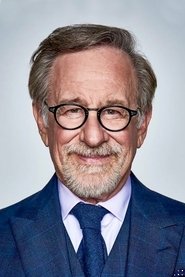 Steven SpielbergDirector
 Meryl StreepKay Graham
 Tom HanksBen Bradlee
 Sarah PaulsonTony Bradlee
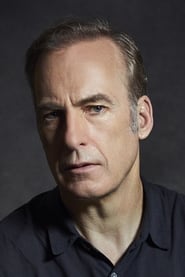 Bob OdenkirkBen Bagdikian
 Tracy LettsFritz Beebe
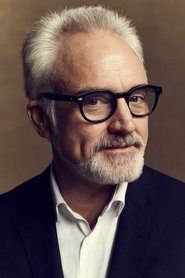 Bradley WhitfordArthur Parsons
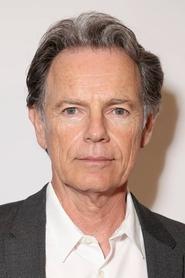 Bruce GreenwoodRobert McNamara
 Matthew RhysDaniel Ellsberg
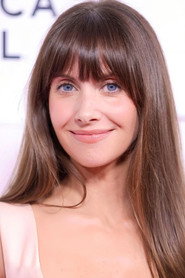 Alison BrieLally Graham
 Carrie CoonMeg Greenfield
 Jesse PlemonsRoger Clark
 David CrossHoward Simons
 John WilliamsComposer
 Liz HannahWriter
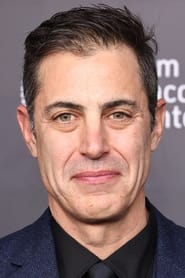 Josh SingerWriter
 Janusz KamińskiCinematography
From the studio
The Post
A cover-up that spanned four U.S. Presidents pushed the country's first female newspaper publisher and a hard-driving editor to join an unprecedented battle between journalist and government. Inspired by true events.
What critics thought
Spielberg's thriller about the Washington Post's decision to publish the Pentagon Papers lands as urgent, compellingly acted, and technically virtuosic — critics largely agreed on those points. The main fault line was whether the film's accessible, polished craftsmanship tips into calculation: some felt its clarity and crowd-pleasing momentum put it just below the great journalism films it invites comparison to, while others argued that its apparently smooth surface disguises a deeper, coded portrait of press freedom under political pressure that contemporaneous reviewers underrated.
“Nobody needs to be reminded that history tends to go in circles, but The Post is so vital because it captures the ecstasy of trying to break the chain and bend things towards justice; defending the fundamental tenets of the Constitution hasn't been this much fun since Hamilton.”
David Ehrlich·IndieWire
“Spielberg makes these crucial days in American history easy to follow. But if you look at The Post next to something like All the President's Men, you see the difference between having a story passively explained to you and actively helping to untangle it. That's a small quibble with an urgent and impeccably acted film. But it's also the difference between a very good movie and a great one.”
Chris Nashawaty·Entertainment Weekly
“The Post passes the trickiest tests of a historical drama: it makes us understand that decisions validated by the lens of history were difficult ones to make in the moment, and it generates suspense over how all the pieces fell into place to make those decisions come to fruition.”
TheWrap
Accolades
Genres
Drama, History
Cast & Crew
Steven SpielbergDirectorMeryl StreepKay GrahamTom HanksBen BradleeSarah PaulsonTony BradleeBob OdenkirkBen BagdikianTracy LettsFritz BeebeBradley WhitfordArthur ParsonsBruce GreenwoodRobert McNamaraMatthew RhysDaniel EllsbergAlison BrieLally GrahamCarrie CoonMeg GreenfieldJesse PlemonsRoger ClarkDavid CrossHoward SimonsJohn WilliamsComposerLiz HannahWriterJosh SingerWriterJanusz KamińskiCinematographyFrom the studio
Rent & Buy