First Man
Rent & Buy


A look at the life of the astronaut, Neil Armstrong, and the legendary space mission that led him to become the first man to walk on the Moon on July 20, 1969.
What critics thought
Chazelle's intimate, procedural portrait of Neil Armstrong earned broad critical admiration for its visceral physicality and the quiet restraint of Gosling and Foy's performances, but a vocal minority found that restraint to be the film's central problem — too earthbound emotionally to fully honor the magnitude of what it depicts. The debate essentially comes down to whether the film's deliberate unglamorousness reads as courage or as missed opportunity.
“so revelatory in its realism, so gritty in its physicality, that it becomes a drama of thrillingly hellbent danger and obsession”
Owen Gleiberman·Variety
“Gosling and Foy's performances in First Man are probably too unshowy to win awards. But they should, because they could hardly have been bettered. The same goes for the whole of this extraordinary film.”
Nicholas Barber·BBC
“gets almost everything right, but it's also strangely underwhelming. It reminds you of an extraordinary feat and acquaints you with an interesting, enigmatic man. But there is a further leap beyond technical accomplishment – into meaning, history, metaphysics or the wilder zones of the imagination – that the film is too careful, too earthbound, to attempt.”
A. O. Scott·The New York Times
“Skillful and compelling this film may be, but, if Neil Armstrong had been the sort of fellow who was likely to cry on the moon, he wouldn't have been the first man chosen to go there. He would have been the last.”
Anthony Lane·The New Yorker
“director Damien Chazelle aims to give a realistic, procedural account of Armstrong's journey, yet the poetry never happens. Chazelle's take is dour, deliberately unromantic.”
Armond White·National Review
Accolades
Genres
History, Drama
Cast & Crew
 Damien ChazelleDirector
 Ryan GoslingNeil Armstrong
 Claire FoyJanet Shearon
 Jason ClarkeEd White
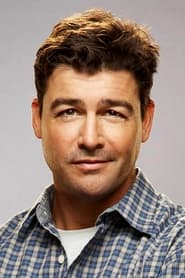 Kyle ChandlerDeke Slayton
 Corey StollBuzz Aldrin
 Patrick FugitElliot See
 Christopher AbbottDavid Scott
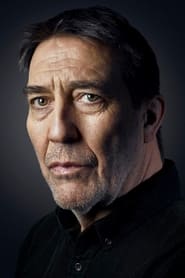 Ciarán HindsRobert R. Gilruth
 Olivia HamiltonPatricia White
 Pablo SchreiberJim Lovell
 Shea WhighamGus Grissom
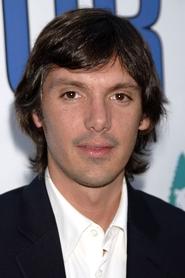 Lukas HaasMichael Collins
 Justin HurwitzComposer
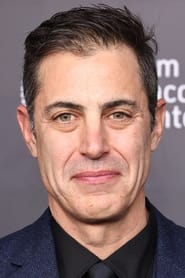 Josh SingerWriter
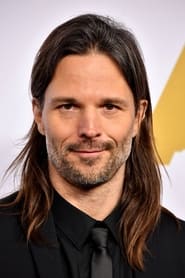 Linus SandgrenCinematography
First Man
A look at the life of the astronaut, Neil Armstrong, and the legendary space mission that led him to become the first man to walk on the Moon on July 20, 1969.
What critics thought
Chazelle's intimate, procedural portrait of Neil Armstrong earned broad critical admiration for its visceral physicality and the quiet restraint of Gosling and Foy's performances, but a vocal minority found that restraint to be the film's central problem — too earthbound emotionally to fully honor the magnitude of what it depicts. The debate essentially comes down to whether the film's deliberate unglamorousness reads as courage or as missed opportunity.
“so revelatory in its realism, so gritty in its physicality, that it becomes a drama of thrillingly hellbent danger and obsession”
Owen Gleiberman·Variety
“Gosling and Foy's performances in First Man are probably too unshowy to win awards. But they should, because they could hardly have been bettered. The same goes for the whole of this extraordinary film.”
Nicholas Barber·BBC
“gets almost everything right, but it's also strangely underwhelming. It reminds you of an extraordinary feat and acquaints you with an interesting, enigmatic man. But there is a further leap beyond technical accomplishment – into meaning, history, metaphysics or the wilder zones of the imagination – that the film is too careful, too earthbound, to attempt.”
A. O. Scott·The New York Times
“Skillful and compelling this film may be, but, if Neil Armstrong had been the sort of fellow who was likely to cry on the moon, he wouldn't have been the first man chosen to go there. He would have been the last.”
Anthony Lane·The New Yorker
“director Damien Chazelle aims to give a realistic, procedural account of Armstrong's journey, yet the poetry never happens. Chazelle's take is dour, deliberately unromantic.”
Armond White·National Review
Accolades
Genres
History, Drama
Cast & Crew
Damien ChazelleDirectorRyan GoslingNeil ArmstrongClaire FoyJanet ShearonJason ClarkeEd WhiteKyle ChandlerDeke SlaytonCorey StollBuzz AldrinPatrick FugitElliot SeeChristopher AbbottDavid ScottCiarán HindsRobert R. GilruthOlivia HamiltonPatricia WhitePablo SchreiberJim LovellShea WhighamGus GrissomLukas HaasMichael CollinsJustin HurwitzComposerJosh SingerWriterLinus SandgrenCinematographyRent & Buy