The Trial of the Chicago 7
Stream

What was supposed to be a peaceful protest turned into a violent clash with the police. What followed was one of the most notorious trials in history.
What critics thought
Aaron Sorkin's courtroom drama earned strong but not unanimous praise, with most critics admiring its propulsive energy, sharp ensemble work, and the way it layers constitutional stakes atop the circus of the trial itself. The chief point of contention is Sorkin's familiar bag of tricks — blunt, rapid-fire speechifying and deliberate poetic license with the historical record — which some saw as exactly the right vehicle for the material and others as the film's ceiling, keeping it from greatness even as it entertains.
“Sorkin has structured The Trial of the Chicago 7 ingeniously, so that it's never about just one thing. It's about the theatrical insanity of the war in the courtroom, about how the government would stop at nothing (including flagrant attempts at jury tampering), and about the politics, at once planned and spontaneous, of how the Chicago protests unfolded.”
Owen Gleiberman·Variety
“Certain events are rearranged from the factual timelines, and yes, The Trial of the Chicago 7 exercises poetic license. This is not a documentary; it's a dramatization of events that resonates with great power while containing essential truths, and it's one of the best movies of the year.”
Richard Roeper·Chicago Sun-Times
“directs his own blunt, energetic screenplay with the convictions of a storyteller fully committed to the tropes at hand”
Eric Kohn·IndieWire
“Sorkin has made a movie that's gripping, illuminating and trenchant [...] It's as much about the constitutional American right to protest as it is about justice, which makes it incredibly relevant to where we are today.”
The Hollywood Reporter
Accolades
Genres
Drama, History, Thriller
Cast & Crew
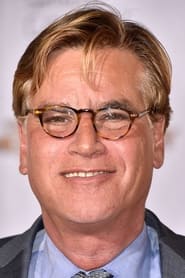 Aaron SorkinDirector
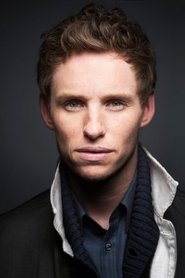 Eddie RedmayneTom Hayden
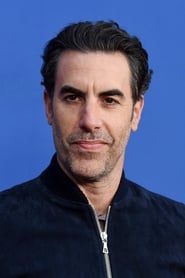 Sacha Baron CohenAbbie Hoffman
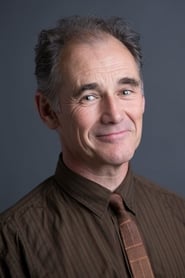 Mark RylanceWilliam Kunstler
 Joseph Gordon-LevittRichard Schultz
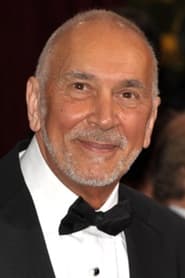 Frank LangellaJudge Julius Hoffman
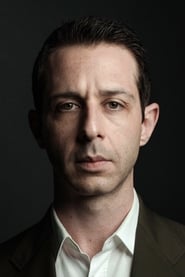 Jeremy StrongJerry Rubin
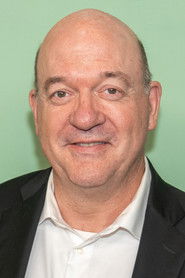 John Carroll LynchDavid Dellinger
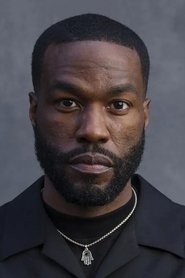 Yahya Abdul-Mateen IIBobby Seale
 Alex SharpRennie Davis
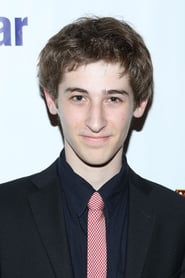 Noah RobbinsLee Weiner
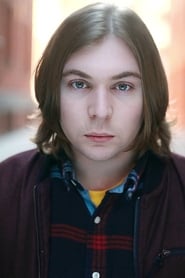 Danny FlahertyJohn Froines
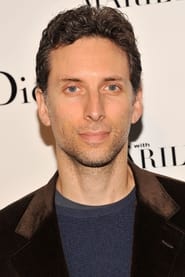 Ben ShenkmanLeonard Weinglass
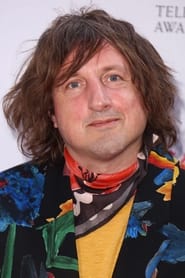 Daniel PembertonComposer
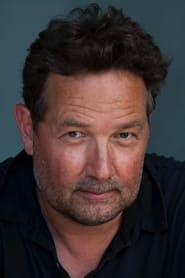 Phedon PapamichaelCinematography
The Trial of the Chicago 7
What was supposed to be a peaceful protest turned into a violent clash with the police. What followed was one of the most notorious trials in history.
What critics thought
Aaron Sorkin's courtroom drama earned strong but not unanimous praise, with most critics admiring its propulsive energy, sharp ensemble work, and the way it layers constitutional stakes atop the circus of the trial itself. The chief point of contention is Sorkin's familiar bag of tricks — blunt, rapid-fire speechifying and deliberate poetic license with the historical record — which some saw as exactly the right vehicle for the material and others as the film's ceiling, keeping it from greatness even as it entertains.
“Sorkin has structured The Trial of the Chicago 7 ingeniously, so that it's never about just one thing. It's about the theatrical insanity of the war in the courtroom, about how the government would stop at nothing (including flagrant attempts at jury tampering), and about the politics, at once planned and spontaneous, of how the Chicago protests unfolded.”
Owen Gleiberman·Variety
“Certain events are rearranged from the factual timelines, and yes, The Trial of the Chicago 7 exercises poetic license. This is not a documentary; it's a dramatization of events that resonates with great power while containing essential truths, and it's one of the best movies of the year.”
Richard Roeper·Chicago Sun-Times
“directs his own blunt, energetic screenplay with the convictions of a storyteller fully committed to the tropes at hand”
Eric Kohn·IndieWire
“Sorkin has made a movie that's gripping, illuminating and trenchant [...] It's as much about the constitutional American right to protest as it is about justice, which makes it incredibly relevant to where we are today.”
The Hollywood Reporter
Accolades
Genres
Drama, History, Thriller
Cast & Crew
Aaron SorkinDirectorEddie RedmayneTom HaydenSacha Baron CohenAbbie HoffmanMark RylanceWilliam KunstlerJoseph Gordon-LevittRichard SchultzFrank LangellaJudge Julius HoffmanJeremy StrongJerry RubinJohn Carroll LynchDavid DellingerYahya Abdul-Mateen IIBobby SealeAlex SharpRennie DavisNoah RobbinsLee WeinerDanny FlahertyJohn FroinesBen ShenkmanLeonard WeinglassDaniel PembertonComposerPhedon PapamichaelCinematographyStream