The Others
Rent & Buy


Grace is a woman who lives in an old house kept dark because her two children, Anne and Nicholas, have a rare sensitivity to light. When the family begins to suspect the house is haunted, Grace fights to protect her children at any cost in the face of strange events and disturbing visions.
What critics thought
Alejandro Amenábar's slow-burn haunted-house film earned broad but not unanimous praise, with most critics responding to its atmosphere of oppressive dread and Nicole Kidman's coiled, emotionally layered central performance. The main fault line runs between those who found the minimalist approach a masterstroke of sustained tension and those who felt the film's style eventually outpaces its substance, with the second half growing cluttered where the first was elegantly spare.
“in drawing out his effects, Amenábar is a little too confident that style can substitute for substance”
Roger Ebert·Chicago Sun-Times
“The anxious indeterminacy of the first section proves hard to sustain, and as Mr. Amenábar moves away from elegant minimalism, the story begins to become cluttered and confusing, rather than spare and enigmatic.”
A. O. Scott·The New York Times
“Shot in oppressive sepia amid near-darkness (Grace's children having a rare ailment that precludes exposure to sunlight), Amenábar racks up the tension to unbearable levels.”
Neil Smith·BBC
“confident and controlled... Absence makes the heart beat faster: the absence of light, the corporeal absence of loved ones. Shrewdly cast, Kidman is pitch perfect. It's a clammy, ingenious film, one of the best studio movies of the year.”
Time Out
Genres
Horror, Mystery, Thriller
Cast & Crew
 Alejandro AmenábarDirector
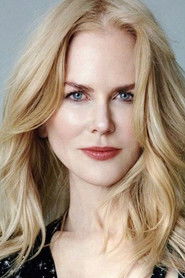 Nicole KidmanGrace Stewart
 Alakina MannAnne Stewart
 James BentleyNicholas Stewart
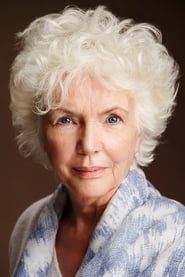 Fionnula FlanaganMrs. Bertha Mills
 Christopher EcclestonCharles Stewart
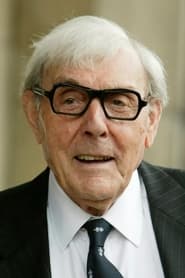 Eric SykesMr. Edmund Tuttle
 Elaine CassidyLydia
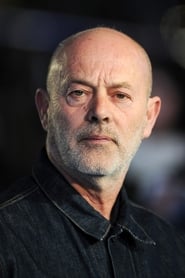 Keith AllenMr. Marlish
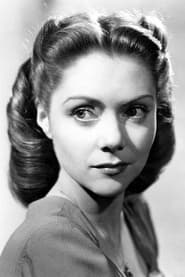 Renée AshersonOld Lady
 Michelle FairleyMrs. MarlishAlejandro AmenábarComposer
 Javier AguirresarobeCinematography
The Others
Grace is a woman who lives in an old house kept dark because her two children, Anne and Nicholas, have a rare sensitivity to light. When the family begins to suspect the house is haunted, Grace fights to protect her children at any cost in the face of strange events and disturbing visions.
What critics thought
Alejandro Amenábar's slow-burn haunted-house film earned broad but not unanimous praise, with most critics responding to its atmosphere of oppressive dread and Nicole Kidman's coiled, emotionally layered central performance. The main fault line runs between those who found the minimalist approach a masterstroke of sustained tension and those who felt the film's style eventually outpaces its substance, with the second half growing cluttered where the first was elegantly spare.
“in drawing out his effects, Amenábar is a little too confident that style can substitute for substance”
Roger Ebert·Chicago Sun-Times
“The anxious indeterminacy of the first section proves hard to sustain, and as Mr. Amenábar moves away from elegant minimalism, the story begins to become cluttered and confusing, rather than spare and enigmatic.”
A. O. Scott·The New York Times
“Shot in oppressive sepia amid near-darkness (Grace's children having a rare ailment that precludes exposure to sunlight), Amenábar racks up the tension to unbearable levels.”
Neil Smith·BBC
“confident and controlled... Absence makes the heart beat faster: the absence of light, the corporeal absence of loved ones. Shrewdly cast, Kidman is pitch perfect. It's a clammy, ingenious film, one of the best studio movies of the year.”
Time Out
Genres
Horror, Mystery, Thriller
Cast & Crew
Alejandro AmenábarDirectorNicole KidmanGrace StewartAlakina MannAnne StewartJames BentleyNicholas StewartFionnula FlanaganMrs. Bertha MillsChristopher EcclestonCharles StewartEric SykesMr. Edmund TuttleElaine CassidyLydiaKeith AllenMr. MarlishRenée AshersonOld LadyMichelle FairleyMrs. MarlishAlejandro AmenábarComposerJavier AguirresarobeCinematographyRent & Buy