Office Space
Rent & Buy


A depressed white-collar worker tries hypnotherapy, only to find himself in a perpetual state of devil-may-care bliss that prompts him to start living by his own rules, and hatch a hapless attempt to embezzle money from his soul-killing employers.
What critics thought
Office Space landed as a modest, mixed success in 1999 — funny enough for fans of workplace misery, but critics were divided on whether Mike Judge could sustain the joke across a feature length. The film's cult reputation has far outgrown its original reception, where several reviewers felt the satire lost its edge and turned into broad farce before the credits rolled.
“treats his characters a little like cartoon creatures. That works. Nuances of behavior are not necessary, because in the cubicle world every personality trait is magnified, and the captives stagger forth like grotesques.”
Roger Ebert·Chicago Sun-Times
“Perhaps his TV background makes him unaccustomed to the demands of a feature-length script (the ending seems almost panicky in its abruptness), or maybe he just succumbs to the lure of the easy yuk...what began as discomfiting satire soon devolves into silly farce.”
Rick Groen·The Globe and Mail
“It has the loose-jointed feel of a bunch of sketches packed together into a narrative that doesn't gather much momentum.”
Stephen Holden·The New York Times
“If you've ever had a job, you'll be amused by this paean to peons.”
Susan Wloszczyna·USA Today
Genres
Comedy
Cast & Crew
 Mike JudgeDirector
 Ron LivingstonPeter
 Jennifer AnistonJoanna
 David HermanMichael Bolton
 Ajay NaiduSamir
 Diedrich BaderLawrence
 Stephen RootMilton
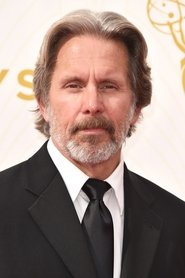 Gary ColeBill Lumbergh
 Richard RiehleTom Smykowski
 Ali WentworthAnne
 Joe BaysDom Portwood
 John C. McGinleyBob Slydell
 Paul WillsonBob Porter
 John FrizzellComposer
Office Space
A depressed white-collar worker tries hypnotherapy, only to find himself in a perpetual state of devil-may-care bliss that prompts him to start living by his own rules, and hatch a hapless attempt to embezzle money from his soul-killing employers.
What critics thought
Office Space landed as a modest, mixed success in 1999 — funny enough for fans of workplace misery, but critics were divided on whether Mike Judge could sustain the joke across a feature length. The film's cult reputation has far outgrown its original reception, where several reviewers felt the satire lost its edge and turned into broad farce before the credits rolled.
“treats his characters a little like cartoon creatures. That works. Nuances of behavior are not necessary, because in the cubicle world every personality trait is magnified, and the captives stagger forth like grotesques.”
Roger Ebert·Chicago Sun-Times
“Perhaps his TV background makes him unaccustomed to the demands of a feature-length script (the ending seems almost panicky in its abruptness), or maybe he just succumbs to the lure of the easy yuk...what began as discomfiting satire soon devolves into silly farce.”
Rick Groen·The Globe and Mail
“It has the loose-jointed feel of a bunch of sketches packed together into a narrative that doesn't gather much momentum.”
Stephen Holden·The New York Times
“If you've ever had a job, you'll be amused by this paean to peons.”
Susan Wloszczyna·USA Today
Genres
Comedy
Cast & Crew
Mike JudgeDirectorRon LivingstonPeterJennifer AnistonJoannaDavid HermanMichael BoltonAjay NaiduSamirDiedrich BaderLawrenceStephen RootMiltonGary ColeBill LumberghRichard RiehleTom SmykowskiAli WentworthAnneJoe BaysDom PortwoodJohn C. McGinleyBob SlydellPaul WillsonBob PorterJohn FrizzellComposerRent & Buy