A Time to Kill
Rent & Buy


A young lawyer defends a black man accused of murdering two white men who raped his 10-year-old daughter, sparking a rebirth of the KKK.
What critics thought
DivisiveAmerican critics were divided — generally conceding that strong performances and Joel Schumacher's craftsmanship hold the film together — while the film's underlying argument, that vigilante justice is sympathetic, drew sharper attack. French critics in particular were far harsher, accusing the film of using its anti-racist setting as cover to legitimize exactly the kind of extrajudicial violence it pretends to interrogate. Audiences, however, embraced it warmly, making the gap between critical and popular reception one of the film's defining features.
“this is the best of the film versions of Grisham novels, I think, and it has been directed with skill by Joel Schumacher.”
Roger Ebert·Chicago Sun-Times
“A Time to Kill argues for vigilantism but disguises its message by making the vigilante black, allowing viewers to think their blood lust and thirst for revenge is actually empathy for the oppressed.”
Anthony Puccinelli·Chicago Reader
“An overwrought, contrived courtroom thriller”
Siskel & Ebert
“the film mixes the 'politically correct' alibi of anti-racism with the justification of personal justice since the accused is black and the action takes place in a city in the South of the United States. To this moralizing ideological bombast is added an emphatic staging, for a story full of useless digressions, a characterization of the characters so crude that it borders on stupidity.”
Jean Francois Rauger·Le Monde
Genres
Crime, Drama, Thriller
Cast & Crew
 Joel SchumacherDirector
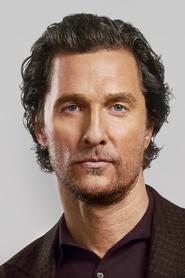 Matthew McConaugheyJake Brigance
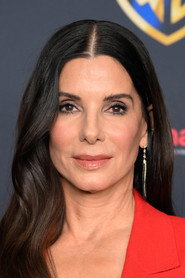 Sandra BullockEllen Roark
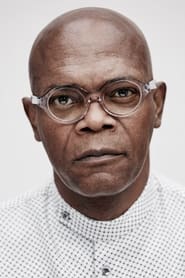 Samuel L. JacksonCarl Lee Hailey
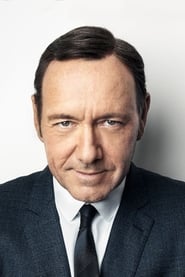 Kevin SpaceyRufus Buckley
 Ashley JuddCarla Brigance
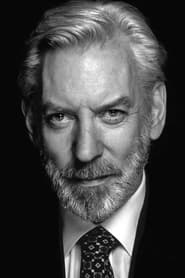 Donald SutherlandLucien Wilbanks
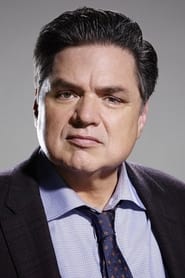 Oliver PlattHarry Rex Vonner
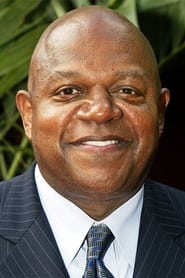 Charles S. DuttonOzzie Walls
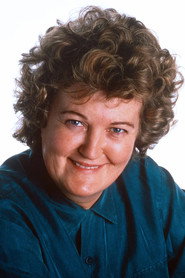 Brenda FrickerEthel Twitty
 Kiefer SutherlandFreddie Lee Cobb
 Patrick McGoohanJudge Omar Noose
 Elliot GoldenthalComposer
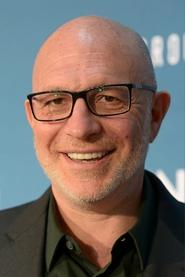 Akiva GoldsmanWriter
 John GrishamWriter
 Peter Menzies Jr.Cinematography
A Time to Kill
A young lawyer defends a black man accused of murdering two white men who raped his 10-year-old daughter, sparking a rebirth of the KKK.
What critics thought
DivisiveAmerican critics were divided — generally conceding that strong performances and Joel Schumacher's craftsmanship hold the film together — while the film's underlying argument, that vigilante justice is sympathetic, drew sharper attack. French critics in particular were far harsher, accusing the film of using its anti-racist setting as cover to legitimize exactly the kind of extrajudicial violence it pretends to interrogate. Audiences, however, embraced it warmly, making the gap between critical and popular reception one of the film's defining features.
“this is the best of the film versions of Grisham novels, I think, and it has been directed with skill by Joel Schumacher.”
Roger Ebert·Chicago Sun-Times
“A Time to Kill argues for vigilantism but disguises its message by making the vigilante black, allowing viewers to think their blood lust and thirst for revenge is actually empathy for the oppressed.”
Anthony Puccinelli·Chicago Reader
“An overwrought, contrived courtroom thriller”
Siskel & Ebert
“the film mixes the 'politically correct' alibi of anti-racism with the justification of personal justice since the accused is black and the action takes place in a city in the South of the United States. To this moralizing ideological bombast is added an emphatic staging, for a story full of useless digressions, a characterization of the characters so crude that it borders on stupidity.”
Jean Francois Rauger·Le Monde
Genres
Crime, Drama, Thriller
Cast & Crew
Joel SchumacherDirectorMatthew McConaugheyJake BriganceSandra BullockEllen RoarkSamuel L. JacksonCarl Lee HaileyKevin SpaceyRufus BuckleyAshley JuddCarla BriganceDonald SutherlandLucien WilbanksOliver PlattHarry Rex VonnerCharles S. DuttonOzzie WallsBrenda FrickerEthel TwittyKiefer SutherlandFreddie Lee CobbPatrick McGoohanJudge Omar NooseElliot GoldenthalComposerAkiva GoldsmanWriterJohn GrishamWriterPeter Menzies Jr.CinematographyRent & Buy