Lost Highway
Stream

Rent & Buy


A tormented jazz musician finds himself lost in an enigmatic story involving murder, surveillance, gangsters, doppelgängers, and an impossible transformation inside a prison cell.
What critics thought
DivisiveLost Highway landed in 1997 as a genuinely divisive film, with Siskel and Ebert leading a camp that found it visually accomplished but narratively empty, while a smaller group of supporters argued the deliberate incoherence was precisely the point. Retrospective reassessment has been considerably kinder, with cult-film enthusiasts positioning it alongside Mulholland Drive as one of Lynch's most daring personal statements — a gap between initial and later reception that is itself part of the film's story.
“beautifully made but emotionally empty”
Kenneth Turan·Los Angeles Times
“traded some of his disturbing originality for noir formula and schticky weirdness”
Stephanie Zacharek·Salon
“an audacious move away from conventional narrative and back toward the formal beauty of Eraserhead”
Jonathan Rosenbaum·Chicago Reader
“uneven and too deliberately obscure in meaning to be entirely satisfying”
Todd McCarthy·Variety
“in many ways, it's Lynch at his most daring, emotional, and personal”
Jeremiah Kipp·Slant Magazine
Accolades
Genres
Drama, Mystery, Thriller
Cast & Crew
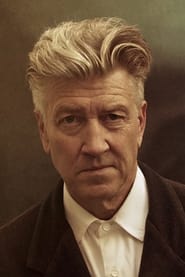 David LynchDirector
 Patricia ArquetteRenee Madison / Alice Wakefield
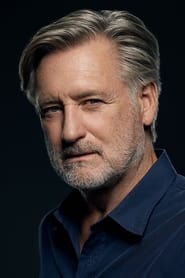 Bill PullmanFred Madison
 Balthazar GettyPete Dayton
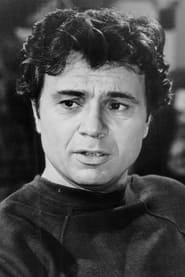 Robert BlakeMystery Man
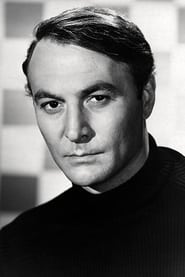 Robert LoggiaMr. Eddy / Dick Laurent
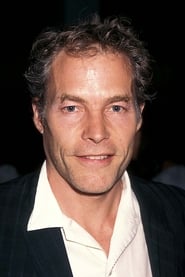 Michael MasseeAndy
 Natasha Gregson WagnerSheila
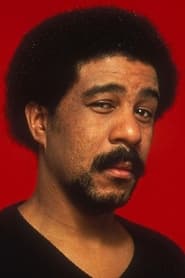 Richard PryorArnie
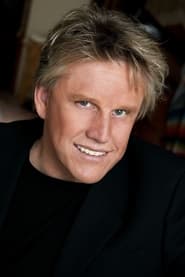 Gary BuseyBill Dayton
 Lucy ButlerCandace Dayton
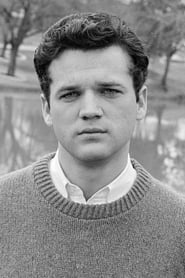 Jack NancePhil
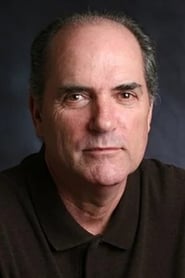 Jack KehlerGuard Johnny Mack
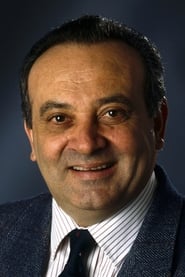 Angelo BadalamentiComposer
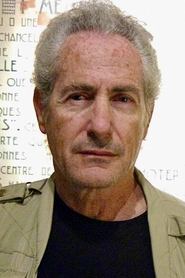 Barry GiffordWriter
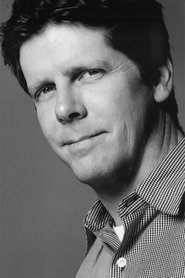 Peter DemingCinematography
Lost Highway
A tormented jazz musician finds himself lost in an enigmatic story involving murder, surveillance, gangsters, doppelgängers, and an impossible transformation inside a prison cell.
What critics thought
DivisiveLost Highway landed in 1997 as a genuinely divisive film, with Siskel and Ebert leading a camp that found it visually accomplished but narratively empty, while a smaller group of supporters argued the deliberate incoherence was precisely the point. Retrospective reassessment has been considerably kinder, with cult-film enthusiasts positioning it alongside Mulholland Drive as one of Lynch's most daring personal statements — a gap between initial and later reception that is itself part of the film's story.
“beautifully made but emotionally empty”
Kenneth Turan·Los Angeles Times
“traded some of his disturbing originality for noir formula and schticky weirdness”
Stephanie Zacharek·Salon
“an audacious move away from conventional narrative and back toward the formal beauty of Eraserhead”
Jonathan Rosenbaum·Chicago Reader
“uneven and too deliberately obscure in meaning to be entirely satisfying”
Todd McCarthy·Variety
“in many ways, it's Lynch at his most daring, emotional, and personal”
Jeremiah Kipp·Slant Magazine
Accolades
Genres
Drama, Mystery, Thriller
Cast & Crew
David LynchDirectorPatricia ArquetteRenee Madison / Alice WakefieldBill PullmanFred MadisonBalthazar GettyPete DaytonRobert BlakeMystery ManRobert LoggiaMr. Eddy / Dick LaurentMichael MasseeAndyNatasha Gregson WagnerSheilaRichard PryorArnieGary BuseyBill DaytonLucy ButlerCandace DaytonJack NancePhilJack KehlerGuard Johnny MackAngelo BadalamentiComposerBarry GiffordWriterPeter DemingCinematographyStream
Rent & Buy