Empire of the Sun
Rent & Buy


Jamie Graham, a privileged English boy, is living in Shanghai when the Japanese invade and force all foreigners into prison camps. Jamie is captured with an American sailor, who looks out for him while they are in the camp together. Even though he is separated from his parents and in a hostile environment, Jamie maintains his dignity and youthful spirit, providing a beacon of hope for the others held captive with him.
What critics thought
Empire of the Sun sits in an awkward middle ground that divided critics even at release: Spielberg's visual ambition and Tom Stoppard's script drew genuine admiration, but several prominent reviewers felt the film could never decide whether it was a child's-eye meditation on war or a Spielberg adventure romp — and suffered badly for trying to be both. Audiences have warmed to it more than contemporaneous critics did, making the gap between popular affection and critical ambivalence part of the film's identity.
“a visual splendor, a heroic adventurousness and an immense scope that make it unforgettable”
Janet Maslin·The New York Times
“Despite the emotional potential in the story, it didn't much move me. Maybe, like the kid, I decided that no world where you can play with airplanes can be all that bad.”
Roger Ebert·Chicago Sun-Times
“I don't know what the film is about. It's so totally confused and taking things from different parts.”
Siskel & Ebert
Accolades
Parents guide
- Violence
- moderate
- Sex
- mild
- Profanity
- mild
- Substances
- mild
- Intensity
- moderate
Genres
Drama, War
Cast & Crew
 Steven SpielbergDirector
 Christian BaleJim
 John MalkovichBasie
 Miranda RichardsonMrs. Victor
 Nigel HaversDr. Rawlins
 Joe PantolianoFrank Demarest
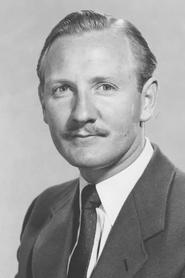 Leslie PhillipsMaxton
 Masatô IbuSgt. Nagata
 Emily RichardJim's Mother
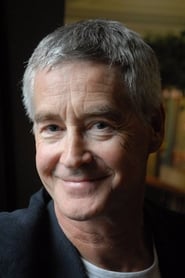 Rupert FrazerJim's Father
 Takatarô KataokaKamikaze Boy Pilot
 Ben StillerDainty
 John WilliamsComposer
 J.G. BallardWriter
 Tom StoppardWriter
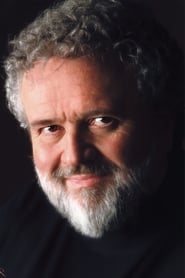 Allen DaviauCinematography
From the studio
Empire of the Sun
Jamie Graham, a privileged English boy, is living in Shanghai when the Japanese invade and force all foreigners into prison camps. Jamie is captured with an American sailor, who looks out for him while they are in the camp together. Even though he is separated from his parents and in a hostile environment, Jamie maintains his dignity and youthful spirit, providing a beacon of hope for the others held captive with him.
What critics thought
Empire of the Sun sits in an awkward middle ground that divided critics even at release: Spielberg's visual ambition and Tom Stoppard's script drew genuine admiration, but several prominent reviewers felt the film could never decide whether it was a child's-eye meditation on war or a Spielberg adventure romp — and suffered badly for trying to be both. Audiences have warmed to it more than contemporaneous critics did, making the gap between popular affection and critical ambivalence part of the film's identity.
“a visual splendor, a heroic adventurousness and an immense scope that make it unforgettable”
Janet Maslin·The New York Times
“Despite the emotional potential in the story, it didn't much move me. Maybe, like the kid, I decided that no world where you can play with airplanes can be all that bad.”
Roger Ebert·Chicago Sun-Times
“I don't know what the film is about. It's so totally confused and taking things from different parts.”
Siskel & Ebert
Accolades
Parents guide
- Violence
- moderate
- Sex
- mild
- Profanity
- mild
- Substances
- mild
- Intensity
- moderate
Genres
Drama, War
Cast & Crew
Steven SpielbergDirectorChristian BaleJimJohn MalkovichBasieMiranda RichardsonMrs. VictorNigel HaversDr. RawlinsJoe PantolianoFrank DemarestLeslie PhillipsMaxtonMasatô IbuSgt. NagataEmily RichardJim's MotherRupert FrazerJim's FatherTakatarô KataokaKamikaze Boy PilotBen StillerDaintyJohn WilliamsComposerJ.G. BallardWriterTom StoppardWriterAllen DaviauCinematographyFrom the studio
Rent & Buy